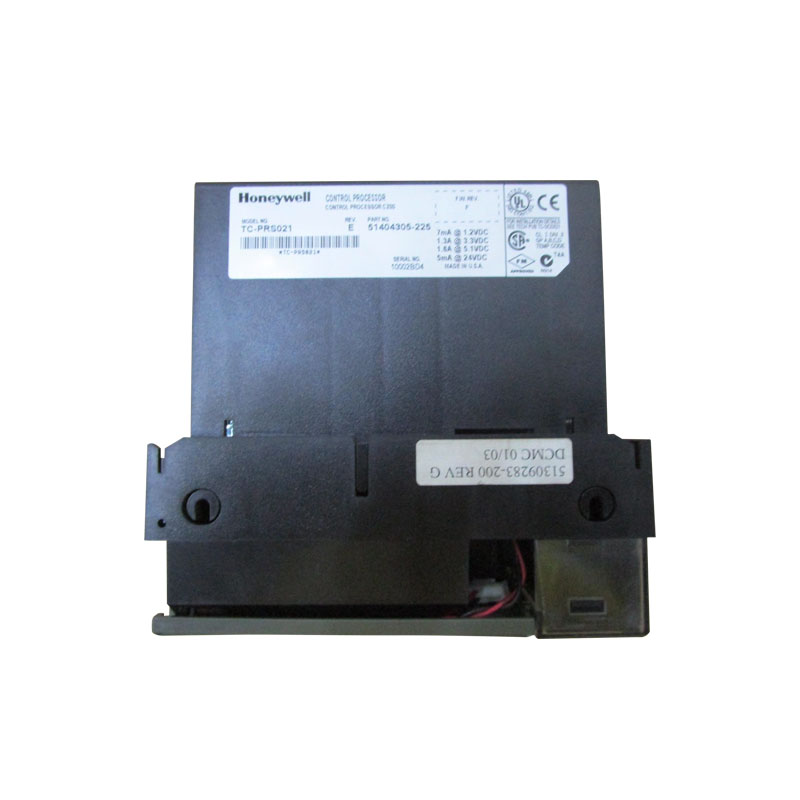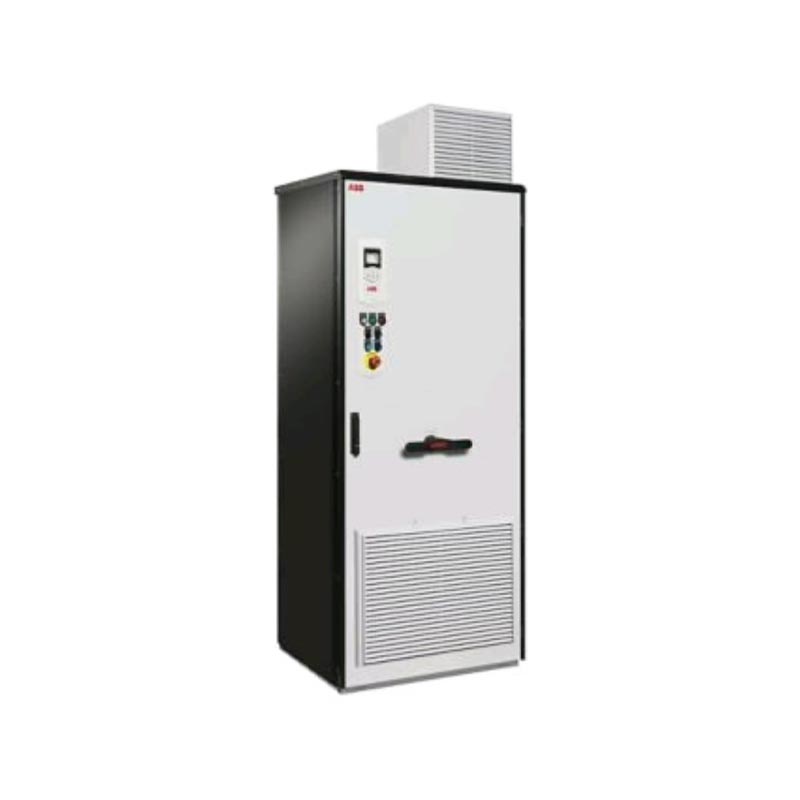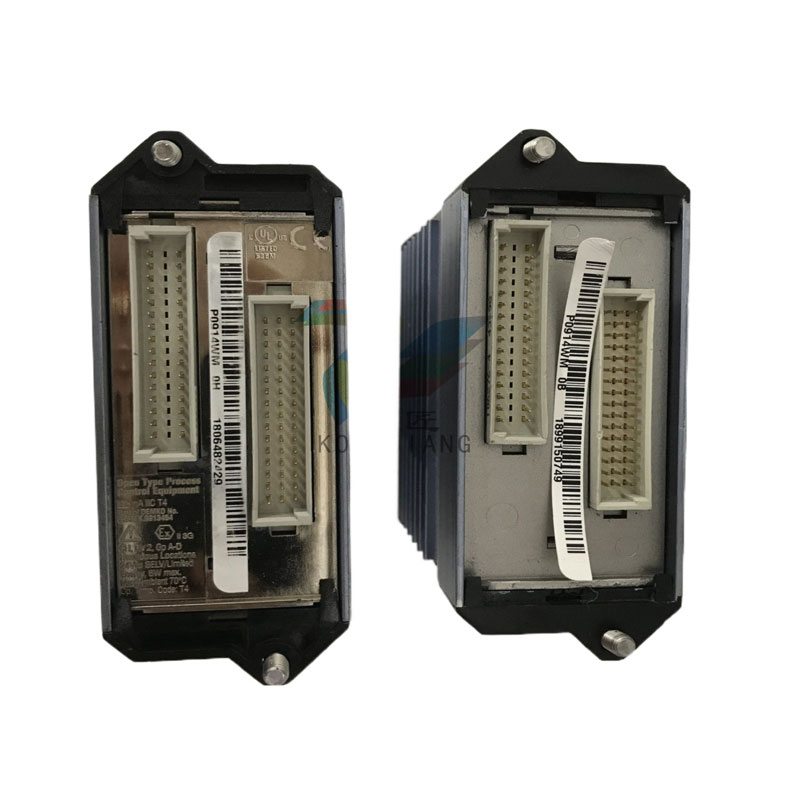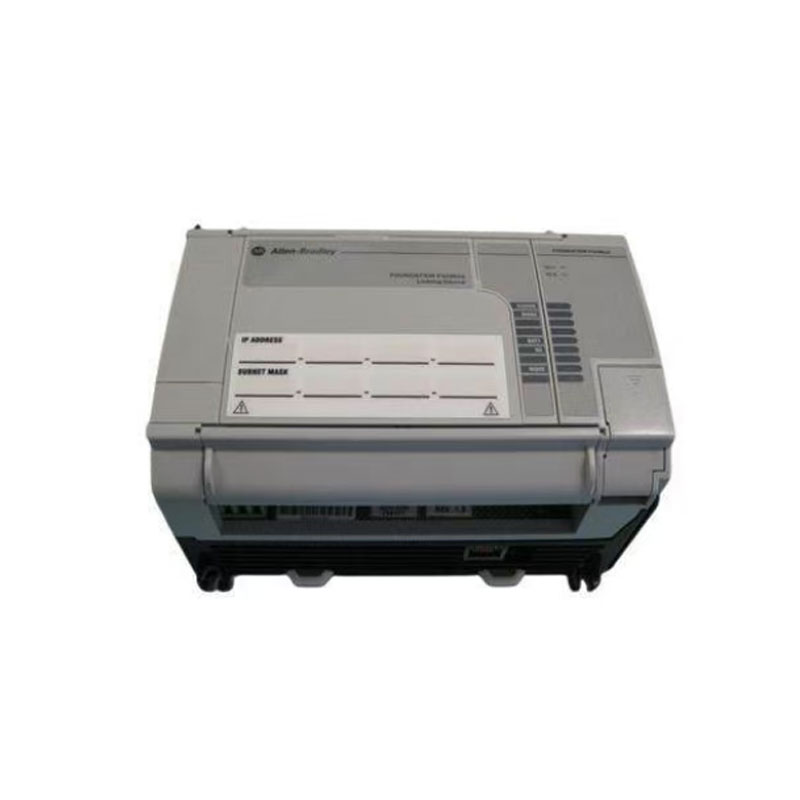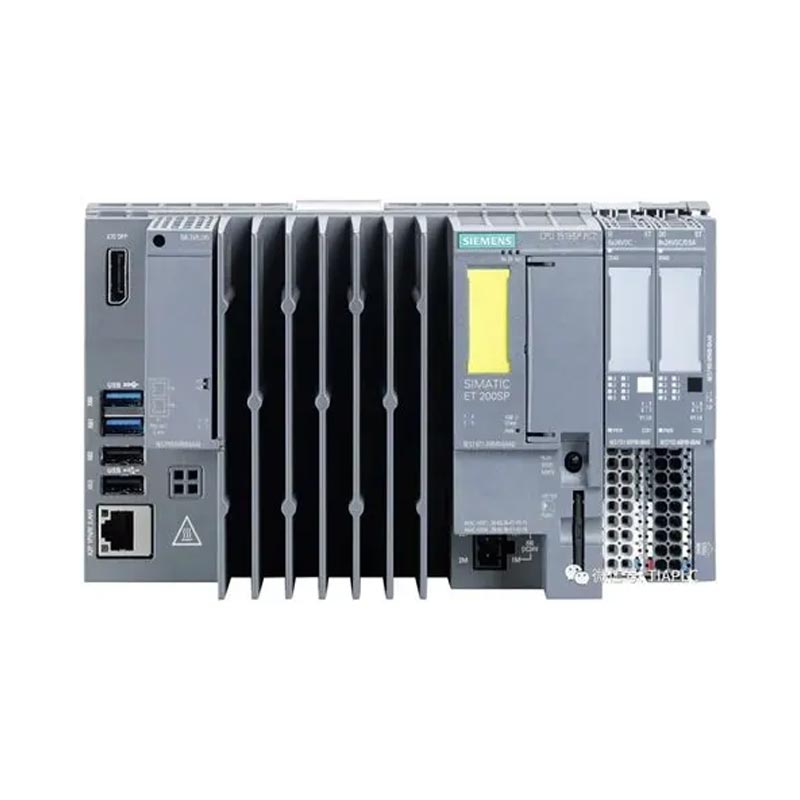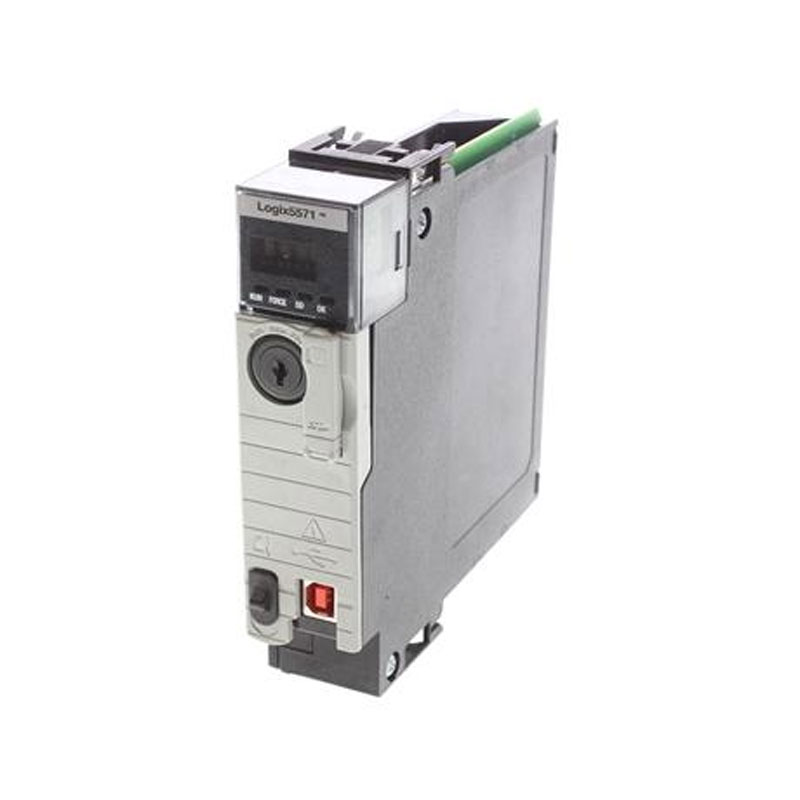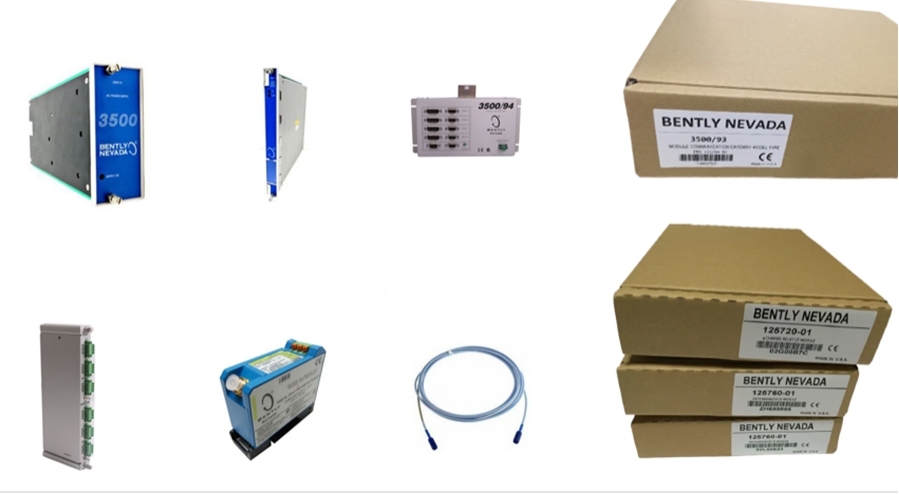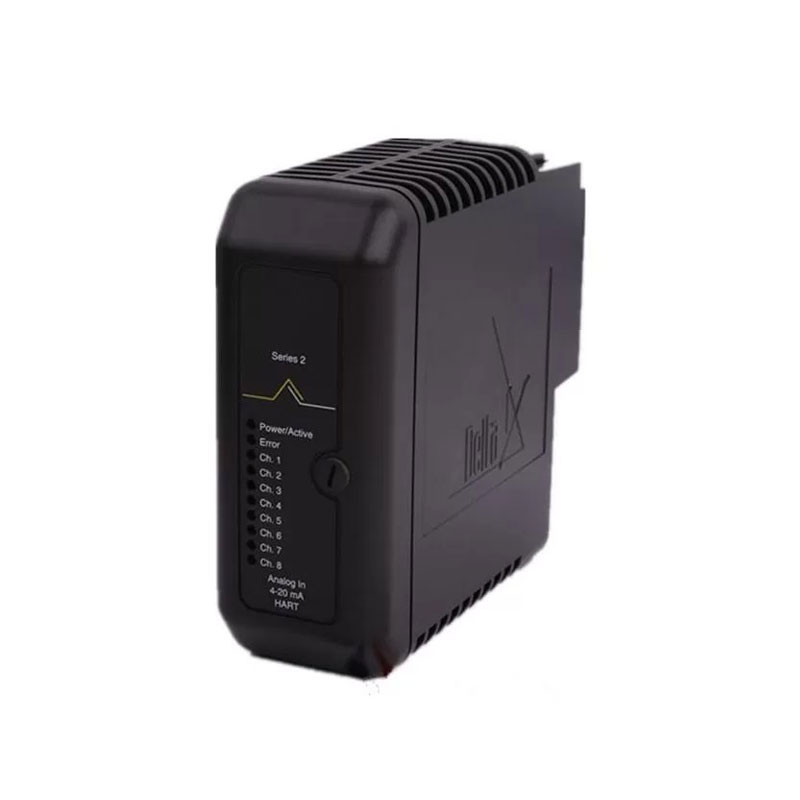
A Foxboro Module is a core component of Foxboro Distributed Control Systems (DCS), widely used in industries such as oil & gas, chemical processing, power generation, and water treatment. Despite the rapid evolution of industrial automation technologies, Foxboro modules remain highly relevant due to their reliability, accuracy, and seamless integration with legacy systems.
This in-depth guide explains what a Foxboro module is, how it works, its main types, real-world applications, advantages, comparison with PLC modules, selection tips, and frequently asked questions—helping engineers, system integrators, and procurement professionals make informed decisions.
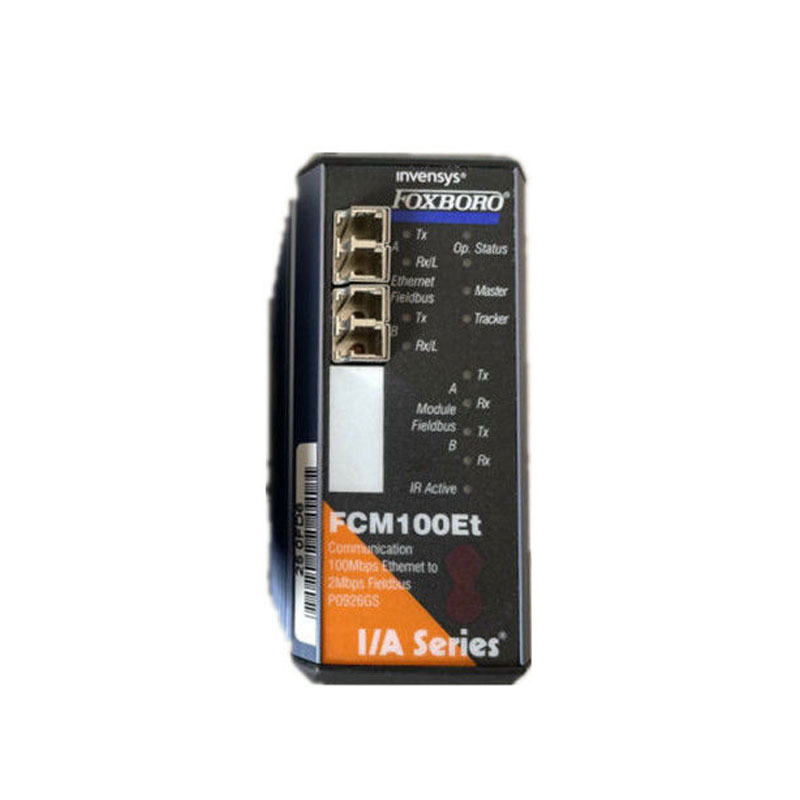
A Foxboro module is a functional hardware unit used within Foxboro DCS platforms, originally developed by Foxboro Company and later integrated into Schneider Electric’s industrial automation portfolio. These modules perform critical tasks such as signal input/output, control logic execution, communication, and power management.
Foxboro modules are commonly referred to as FBM (Fieldbus Module) or control processor modules and are designed to operate in harsh industrial environments where high availability and precision are mandatory.
Foxboro modules are built on a modular and distributed architecture, allowing each module to operate semi-independently while communicating with the central control system.
This architecture minimizes single points of failure and is one of the main reasons Foxboro systems are trusted in mission-critical operations.
| Module Type | Description | Typical Use |
|---|---|---|
| Analog Input Module | Processes continuous signals such as 4–20mA | Temperature, pressure, flow measurement |
| Analog Output Module | Controls actuators with analog signals | Valve positioning, motor control |
| Digital Input Module | Receives on/off status signals | Switches, alarms, interlocks |
| Digital Output Module | Sends binary control signals | Relay control, solenoids |
| Control Processor Module | Executes control algorithms | Process automation logic |
Foxboro modules are widely deployed across industries where safety, stability, and long-term support are critical.
Companies like Yueyang Tongtu often supply and support Foxboro modules for system upgrades, spare parts replacement, and legacy DCS maintenance.
| Feature | Foxboro Module | PLC Module |
|---|---|---|
| System Type | DCS | PLC |
| Reliability | Very High | High |
| Redundancy | Built-in | Optional |
| Best For | Continuous processes | Discrete automation |
When selecting a Foxboro module, consider the following factors:
Routine diagnostics and preventive maintenance can significantly extend the lifespan of Foxboro modules. Common best practices include:
Yes. Many Foxboro modules continue to receive long-term support, and third-party specialists provide reliable alternatives.
Through gateways and protocol converters, Foxboro modules can coexist with modern automation platforms.
When sourced from trusted suppliers and properly tested, refurbished modules can be highly dependable.
Despite the rise of newer automation technologies, the Foxboro module remains a cornerstone of industrial control systems worldwide. Its proven reliability, robust architecture, and compatibility with critical processes make it a long-term investment rather than a legacy burden.
If you are looking for trusted sourcing, technical support, or replacement solutions for Foxboro modules, Yueyang Tongtu is ready to help. Contact us today to discuss your automation needs and keep your systems running safely and efficiently.