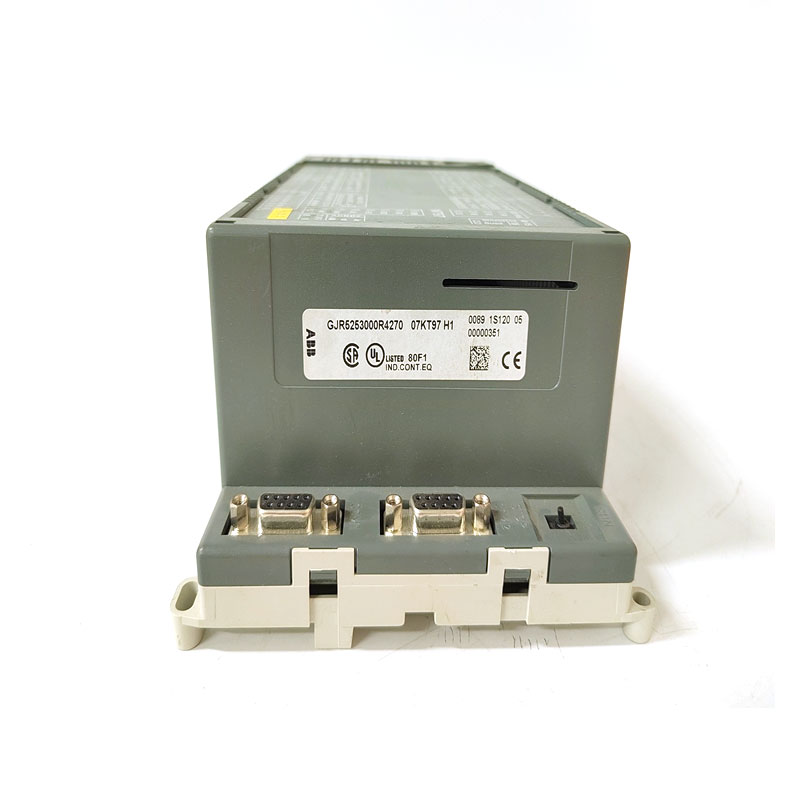
Bachmann PLC Modules are widely recognized for their robustness, modularity, and reliability in mission-critical automation environments such as power generation, rail transportation, oil & gas, and heavy manufacturing. This in-depth guide explores how Bachmann PLC modules work, their core types, technical advantages, application scenarios, and selection strategies. Whether you are a system integrator, automation engineer, or industrial buyer, this article will help you understand why Bachmann PLC modules remain a trusted choice for high-availability control systems worldwide.
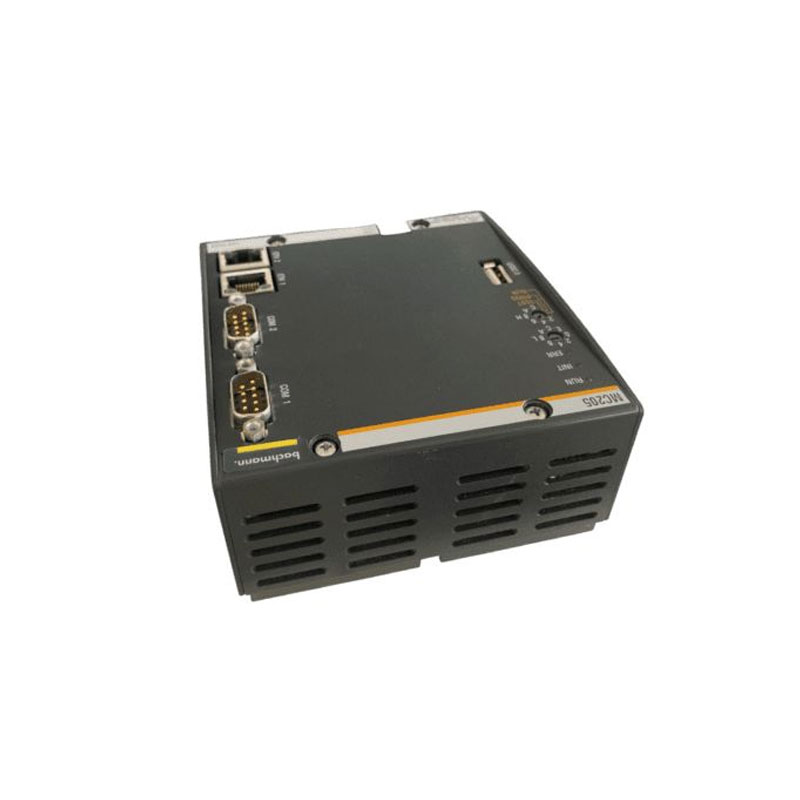
Bachmann PLC Modules are modular programmable logic controller components developed by Bachmann electronic GmbH, a globally respected Austrian automation technology provider. These modules form the backbone of distributed control systems that require high availability, real-time performance, and long-term stability.
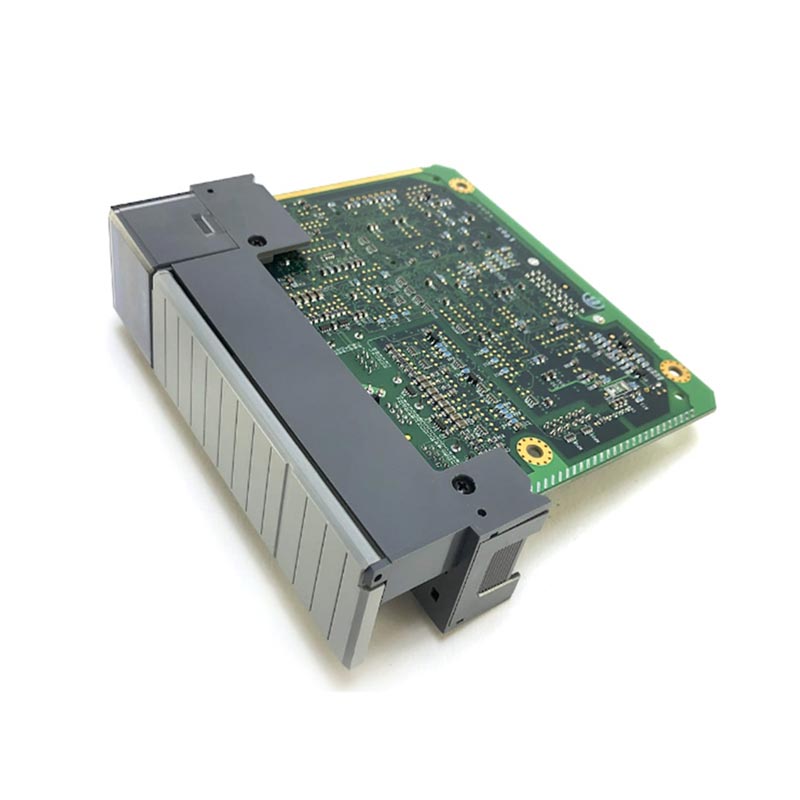
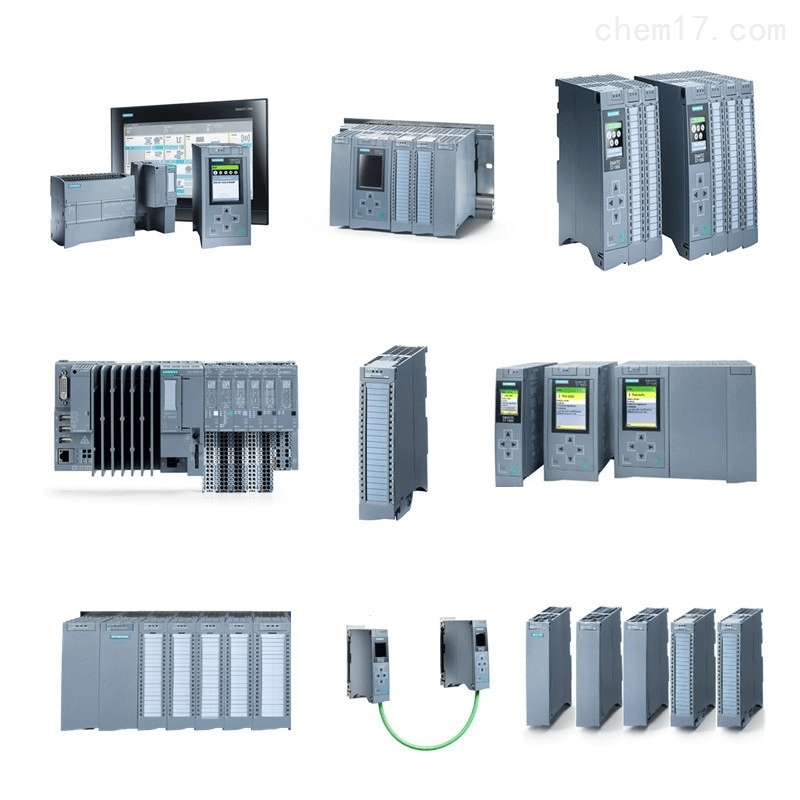
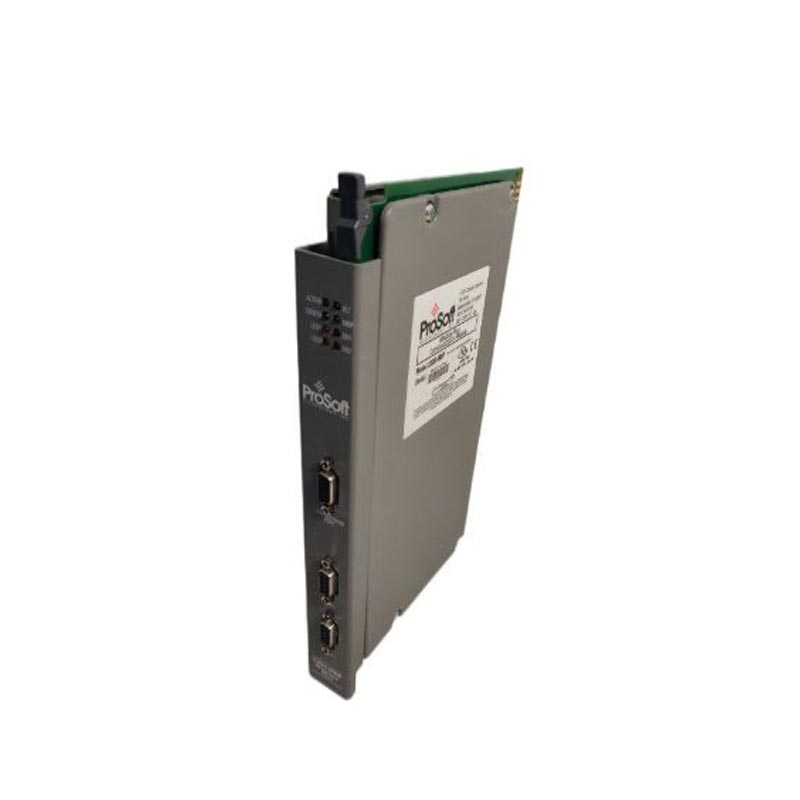
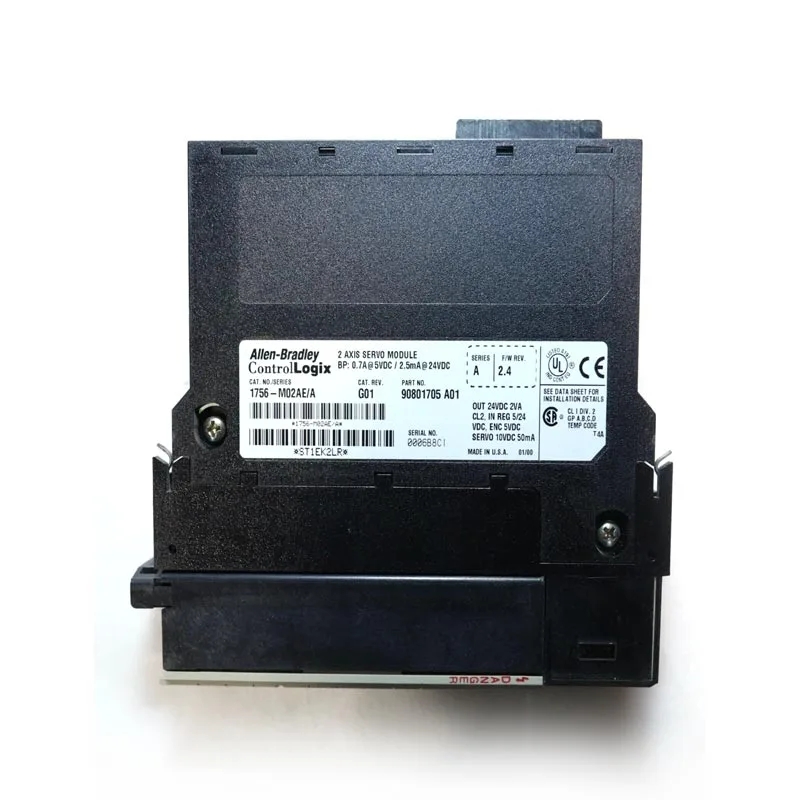
Unlike compact PLCs, Bachmann PLC systems are designed with a modular architecture. Each PLC module performs a dedicated function, such as CPU processing, digital or analog input/output, communication, or safety control. This modularity allows engineers to design scalable systems tailored to complex industrial environments.
For detailed product-level specifications, many engineers refer to Bachmann PLC Modules technical resources to evaluate compatibility and performance benchmarks.
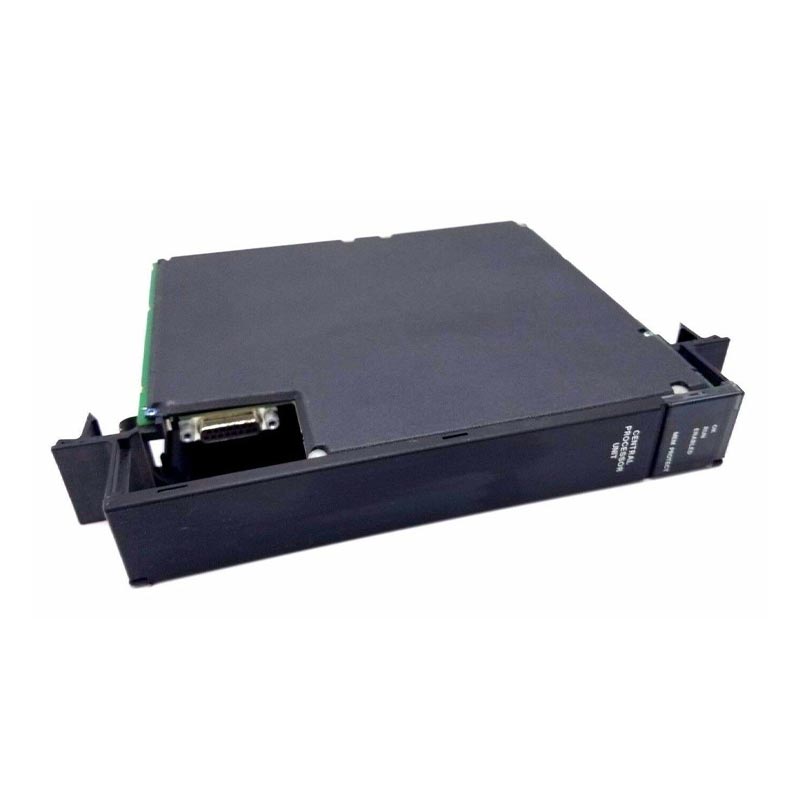
The CPU module is the central processing unit of a Bachmann PLC system. It executes control logic, manages communication between modules, and ensures deterministic real-time operation. Bachmann CPUs are known for multi-core processing, redundancy support, and long lifecycle availability.
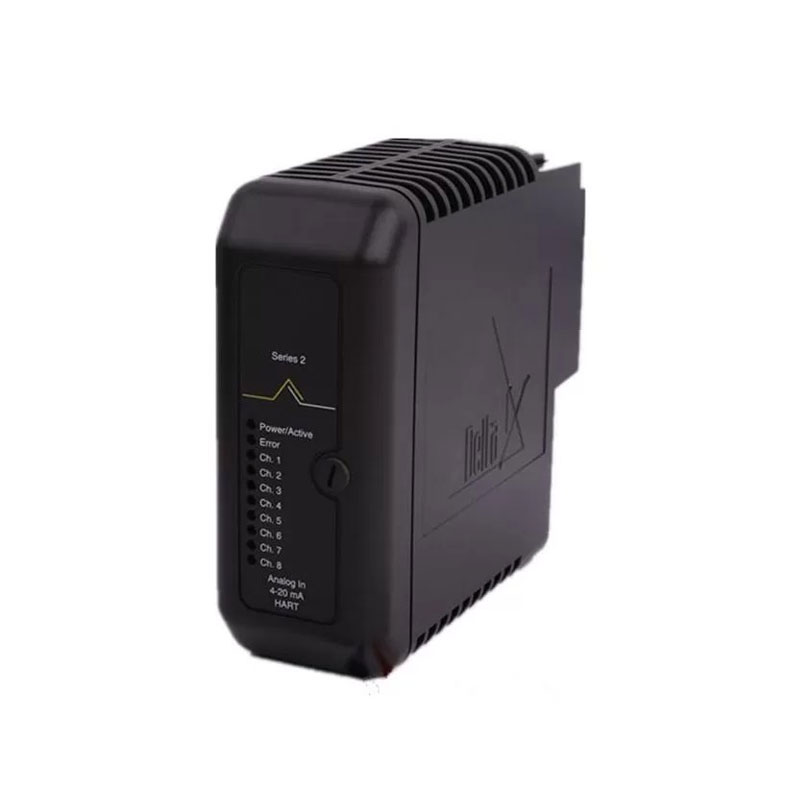
Analog modules handle continuous signals such as temperature, pressure, and flow. Bachmann analog I/O modules provide high resolution and excellent noise immunity, making them suitable for energy and process automation.
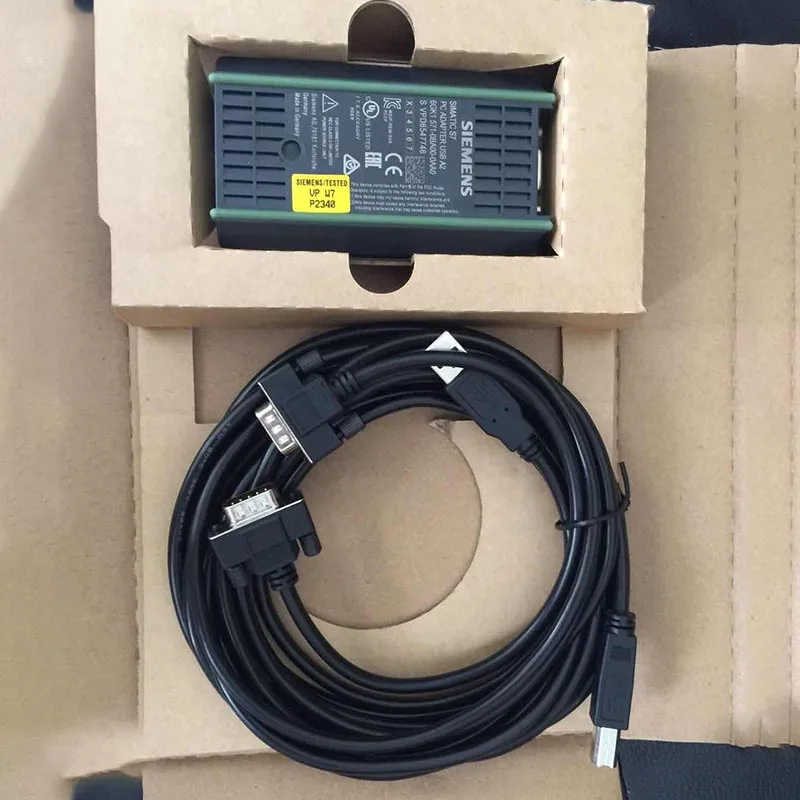
These modules enable seamless integration with fieldbus and industrial Ethernet networks, including PROFINET, Modbus TCP, OPC UA, and CANopen.
Bachmann safety PLC modules are certified for SIL-rated applications. Redundant architectures ensure system uptime even in harsh or remote installations.
These advantages make Bachmann PLC modules particularly suitable for industries where downtime results in high economic or safety risks.
Bachmann PLC modules are commonly used in the following sectors:
Many global system integrators collaborate with sourcing and distribution partners such as Tongtu E-commerce to ensure reliable access to original Bachmann PLC modules and professional technical support.
| Feature | Bachmann PLC Modules | Conventional PLC Brands |
|---|---|---|
| System Architecture | Highly modular & redundant | Often centralized |
| Application Focus | Mission-critical systems | General automation |
| Lifecycle Support | Long-term (15–20+ years) | Medium-term |
| Real-Time Performance | Excellent | Good |
When selecting Bachmann PLC modules, engineers should evaluate:
A structured selection approach reduces integration risks and ensures long-term system reliability.
Global automation professionals trust Bachmann PLC modules because they deliver stability, precision, and continuity. Their proven performance in extreme environments and complex infrastructure projects makes them a strategic investment rather than a short-term solution.
With experienced suppliers like Tongtu E-commerce, customers can streamline procurement, ensure authenticity, and receive responsive after-sales support.
Yes. Bachmann PLC modules support modern industrial communication standards and integrate well with digitalization and smart manufacturing platforms.
Absolutely. Their modular design allows easy expansion without disrupting existing operations.
Many Bachmann PLC modules are supported for over 15 years, making them ideal for long-term infrastructure projects.
Reliable suppliers and professional distributors such as Tongtu E-commerce provide access to genuine Bachmann PLC modules with technical assistance.
Bachmann PLC Modules stand out as a premium automation solution for industries that demand reliability, scalability, and long-term stability. From power generation to transportation and renewable energy, these modules form the backbone of high-availability control systems worldwide.
If you are planning to upgrade or design a mission-critical automation system, choosing the right Bachmann PLC modules is a strategic decision. For professional sourcing, technical consultation, and competitive solutions, feel free to contact us today and let our experts support your automation success.