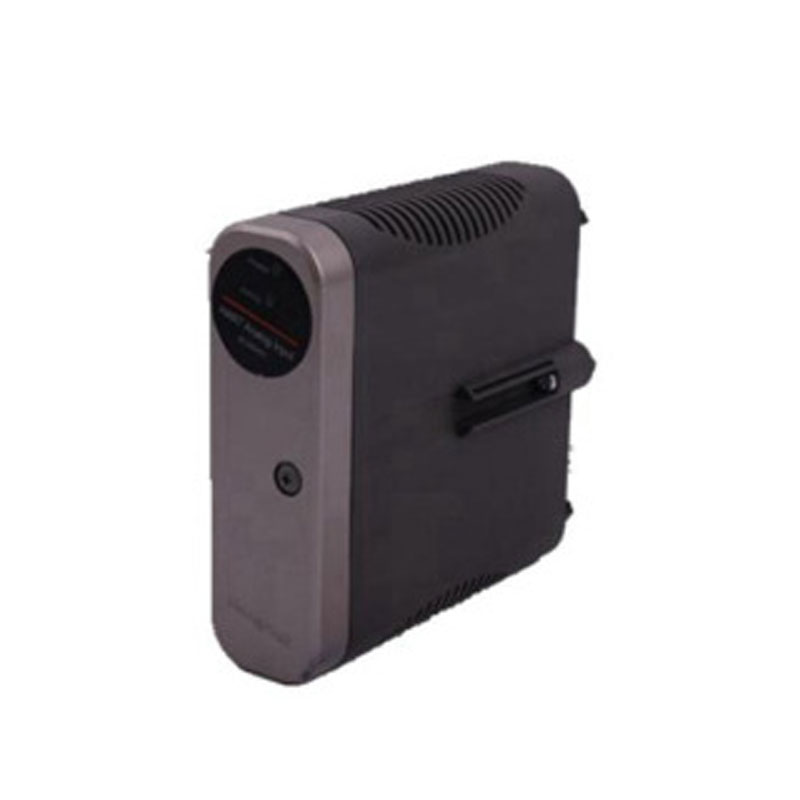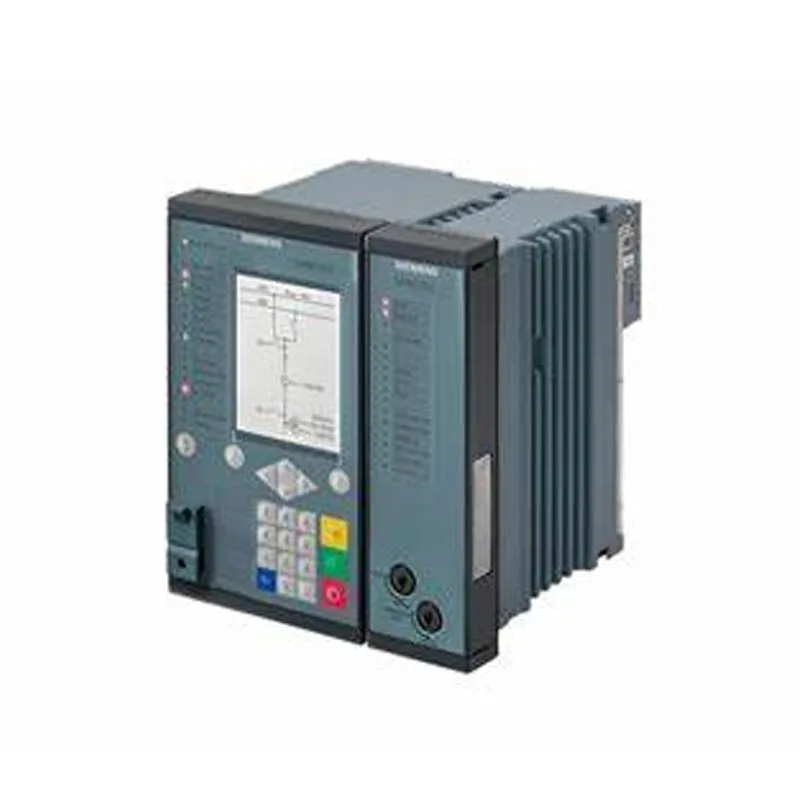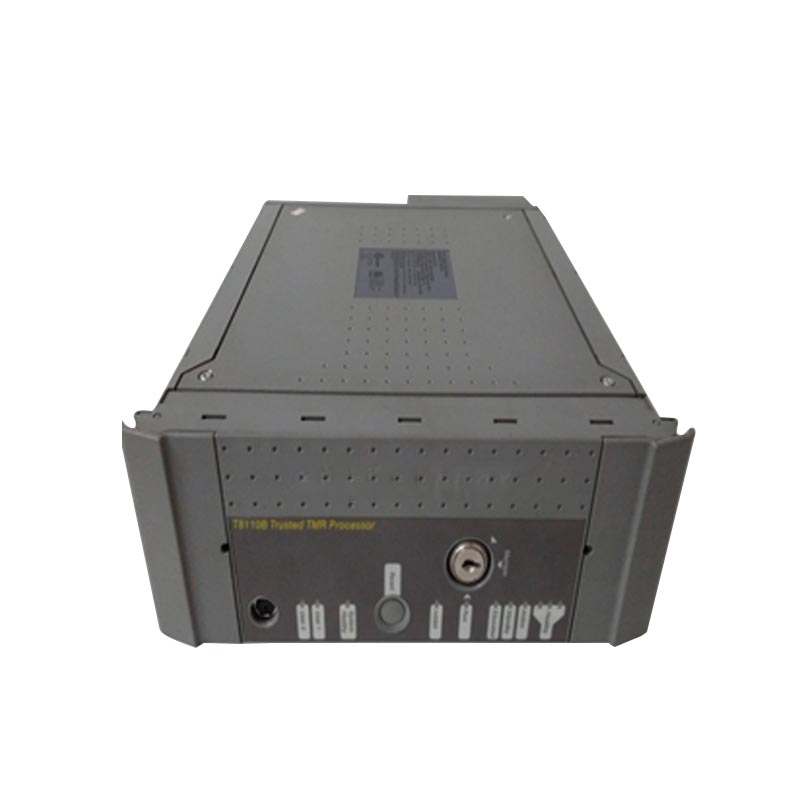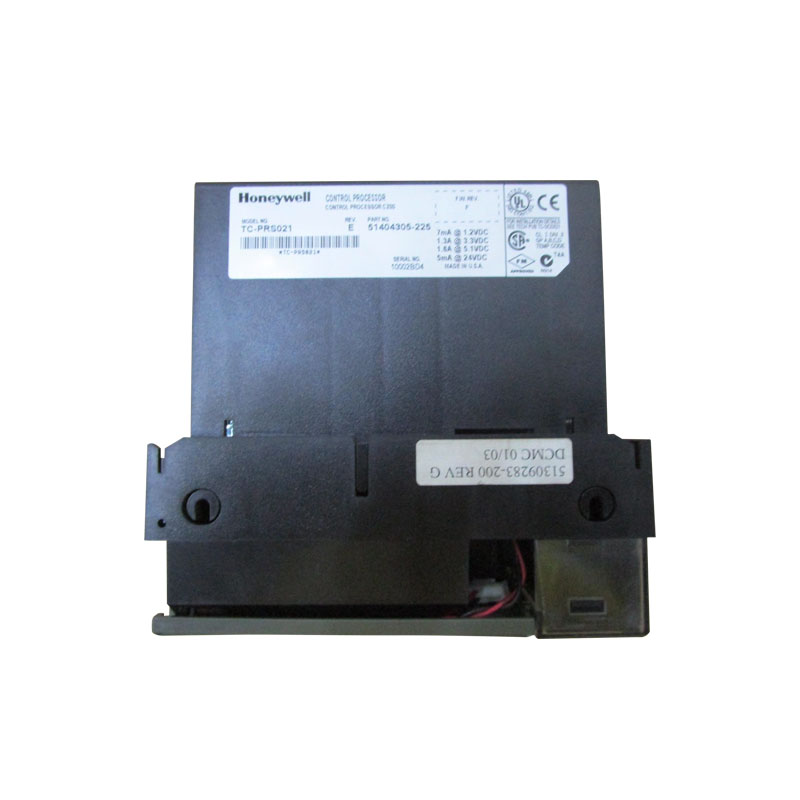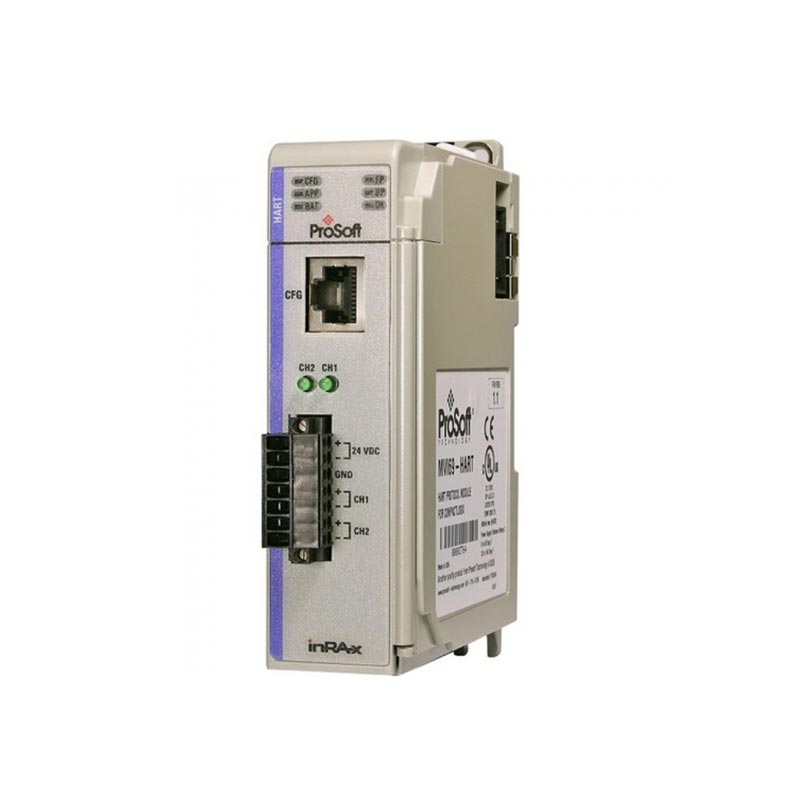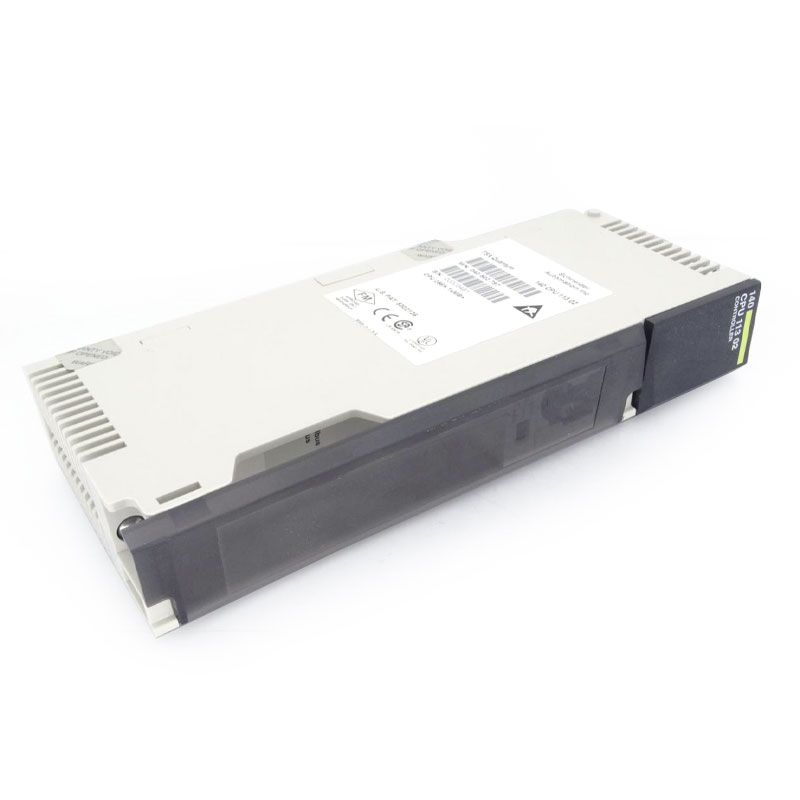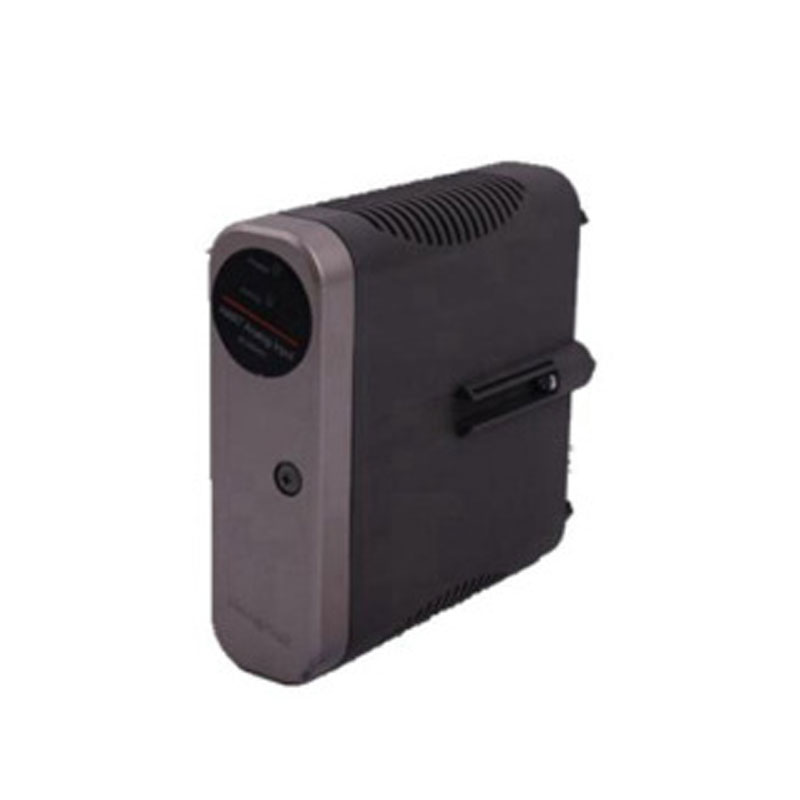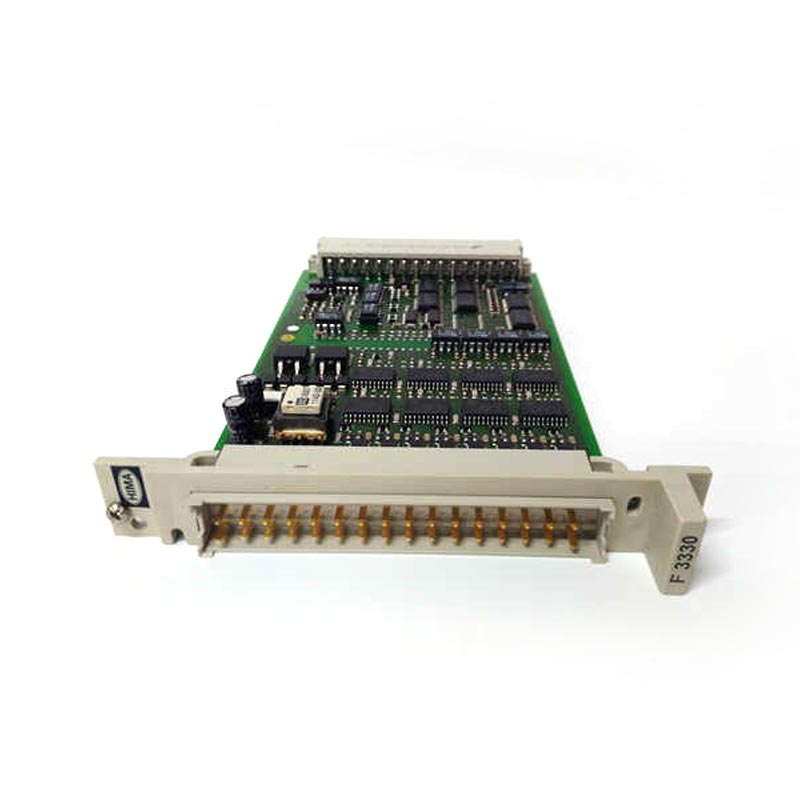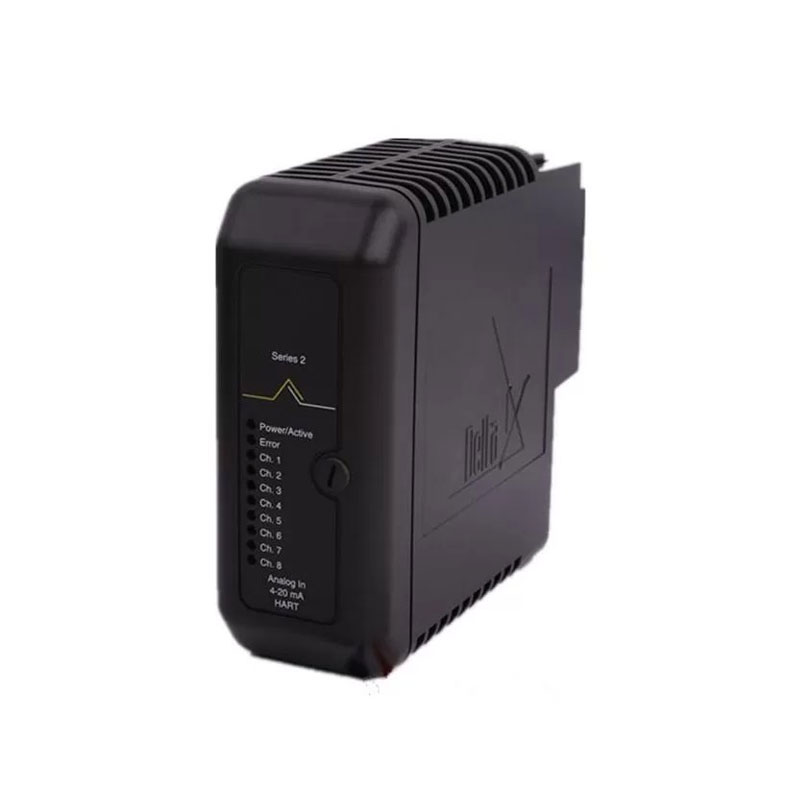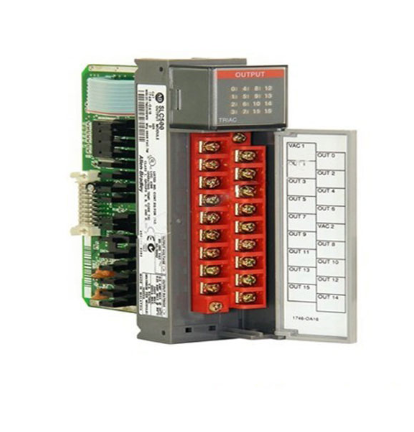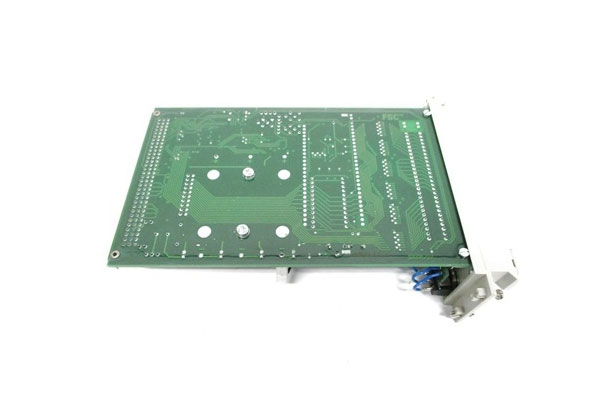
Choosing the right Emerson Module is a critical decision for building stable, efficient, and scalable PLC control systems. With a wide range of Emerson PLC modules available for different industrial automation scenarios, understanding their functions, types, compatibility, and performance characteristics is essential.
This in-depth guide explains how Emerson modules work, the main module categories, key selection criteria, real-world applications, and best practices for sourcing reliable components.
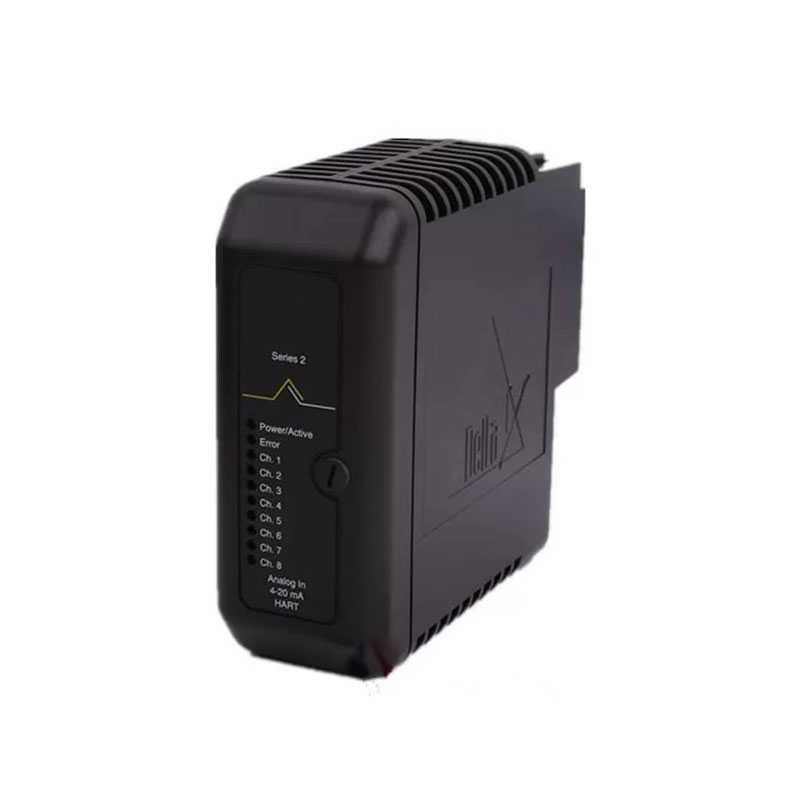
An Emerson Module is a core hardware component used in Emerson PLC and distributed control systems (DCS). These modules perform specific control, communication, input/output, or power management functions that allow industrial automation systems to operate reliably and efficiently.
Emerson modules are widely used in industries such as:
Each module is designed to integrate seamlessly with Emerson control platforms, providing high accuracy, durability, and long-term stability.
In a PLC-based automation system, modules act as the bridge between field devices and control logic. Choosing the wrong module can result in signal errors, communication delays, or even system downtime.
Emerson modules stand out due to:
For engineers and system integrators, Emerson modules reduce risk and improve operational continuity.
Understanding the different types of Emerson modules is the first step toward correct selection.
These modules ensure stable power distribution and protection for PLC racks and connected devices.
Used for motion control, safety systems, and advanced process automation.
Selecting the right Emerson module requires a systematic evaluation of your application and system requirements.
For example, a high-speed production line will require modules with faster response times, while outdoor installations demand enhanced environmental protection.
| Selection Factor | Description | Why It Matters |
|---|---|---|
| Module Type | Input, output, communication, power | Ensures correct system functionality |
| Signal Compatibility | Voltage, current, digital/analog | Prevents signal mismatch |
| Protocol Support | Ethernet, Modbus, Profibus | Guarantees smooth communication |
| Environmental Rating | Temperature, humidity, vibration | Improves system durability |
| Lifecycle Availability | Spare parts and long-term support | Reduces maintenance risk |
Emerson modules are deployed in a wide range of industrial scenarios:
Their flexibility allows engineers to design customized control solutions for complex industrial challenges.
While Emerson modules are optimized for Emerson PLC platforms, many models support standard industrial protocols, making them compatible with third-party devices and systems.
Before integration, always verify:
Proper integration ensures stable performance and reduces commissioning time.
Counterfeit automation components pose serious risks to industrial operations. Using non-original Emerson modules can lead to unexpected failures and safety hazards.
To identify original modules:
Reliable suppliers such as Tongtu help customers avoid counterfeit products and ensure quality assurance.
Regular inspection and timely replacement of aging modules can significantly extend the life of PLC systems.
Best practices include:
Upgrading to newer Emerson modules can improve performance, cybersecurity, and system scalability.
Choosing the right supplier is just as important as choosing the right module. Tongtu provides professional sourcing, technical support, and reliable logistics for Emerson automation products.
By working with experienced suppliers, system integrators and end users can reduce procurement risks and improve project efficiency.
Yes. Emerson modules are designed to operate reliably under extreme temperatures, vibration, and electrical noise.
Some Emerson systems support hot-swapping, but this depends on the specific module and system configuration.
Many Emerson modules are supported for 10 years or more, making them ideal for long-term industrial projects.
You can consult official Emerson documentation or trusted technical resources such as Emerson Module product information.
If you are planning to source, replace, or upgrade Emerson modules for your automation system, working with a reliable partner can make all the difference. Feel free to contact us to get professional support, competitive pricing, and fast delivery for your industrial automation needs.