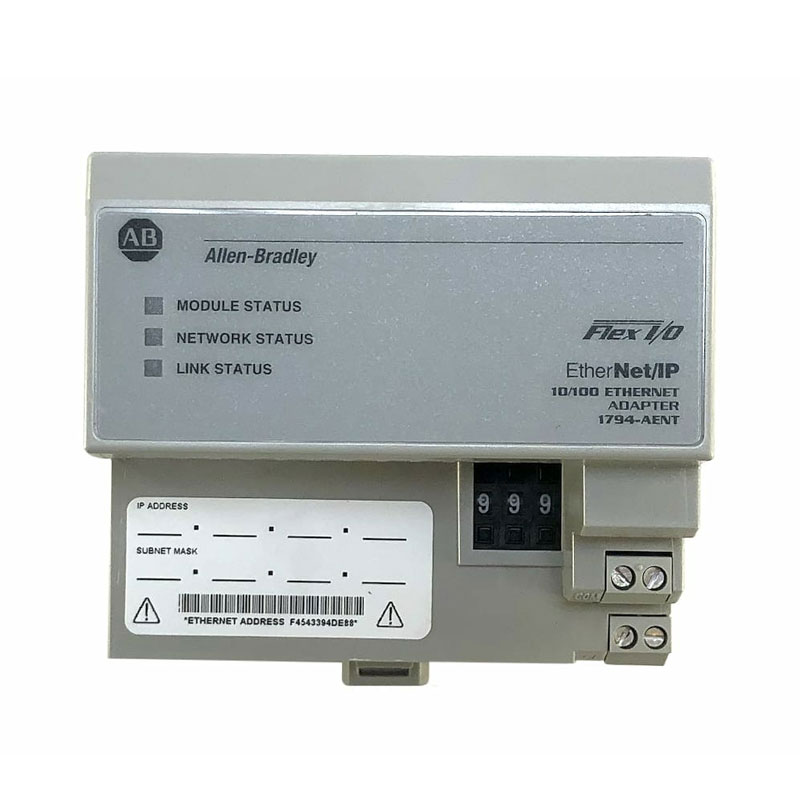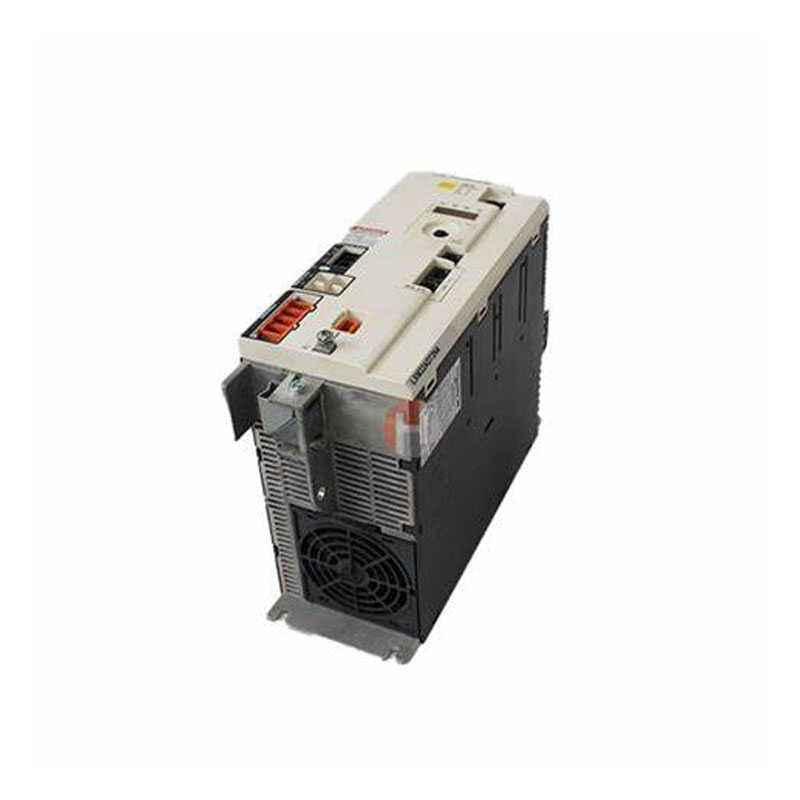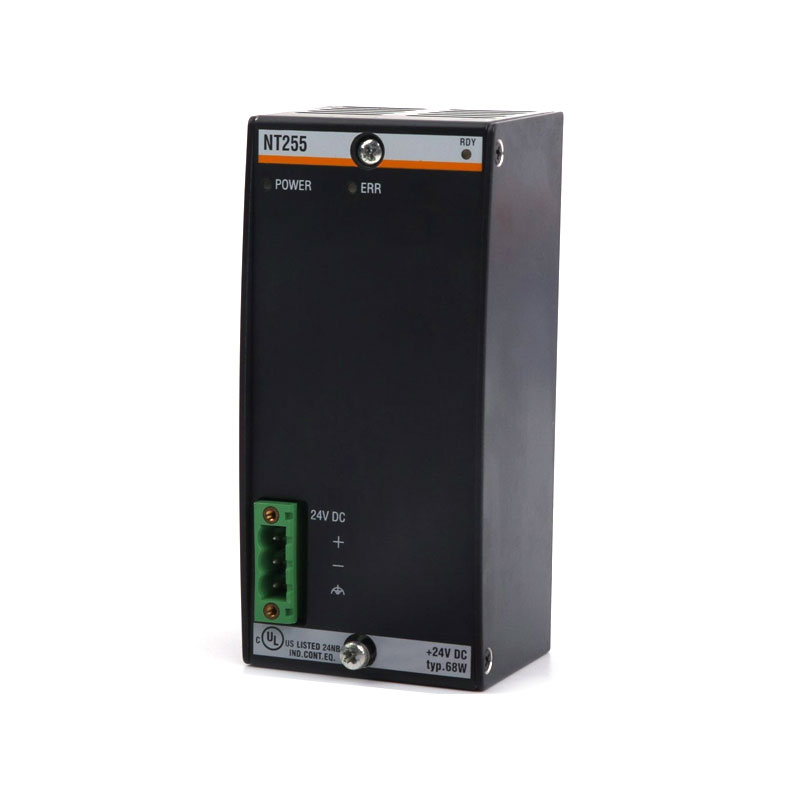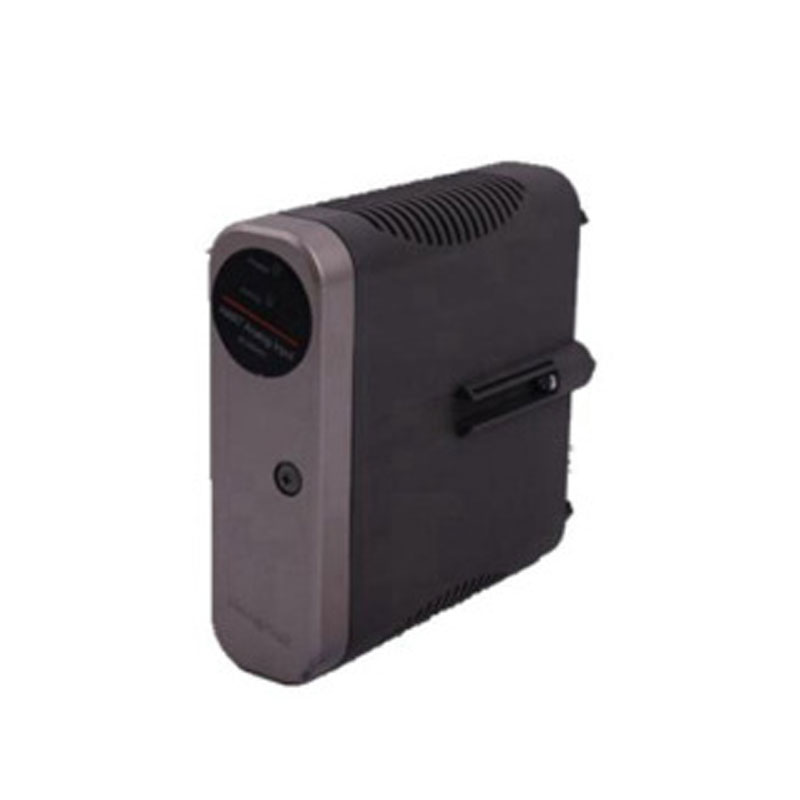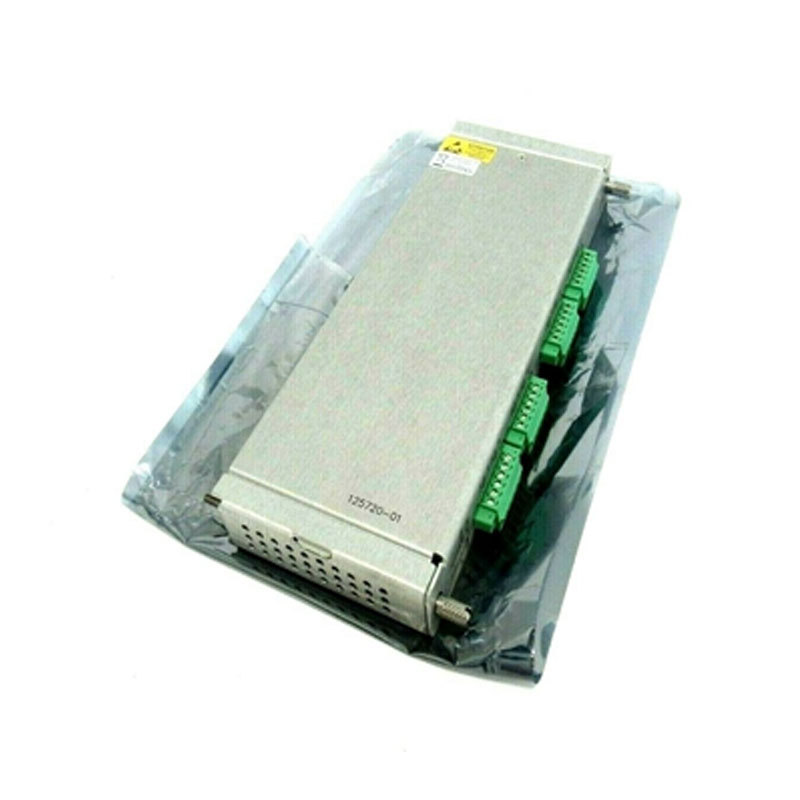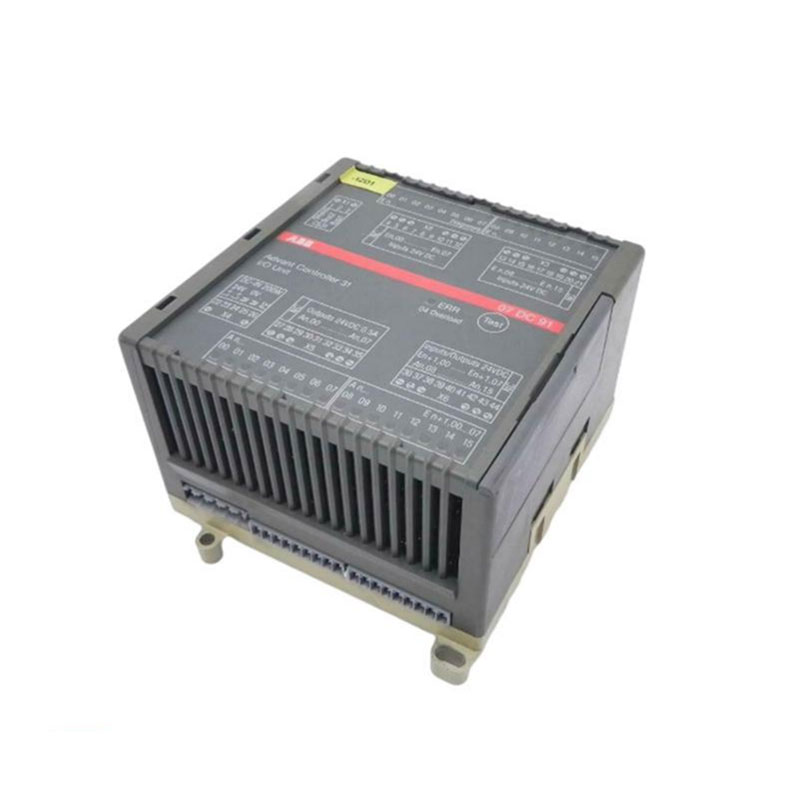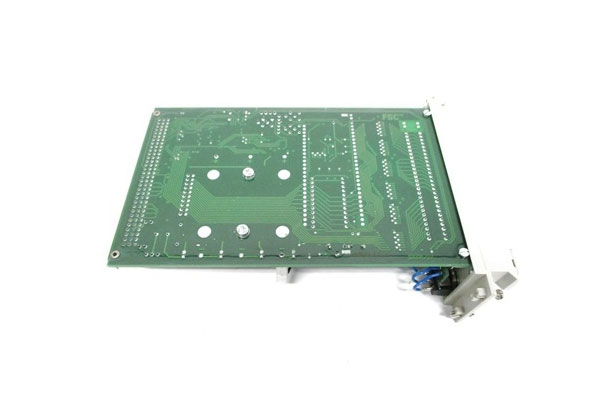
GE FANUC PLC has long been recognized as one of the most stable and durable programmable logic controller systems in industrial automation. Although the brand structure has evolved over time into GE and Emerson, legacy GE FANUC PLC systems remain widely used across manufacturing, power plants, oil & gas, and process industries.
This comprehensive guide explores what GE FANUC PLC is, how it works, its major series, technical advantages, common applications, troubleshooting methods, and why companies like Yueyang Tongtu continue to supply reliable modules worldwide. Whether you are maintaining a legacy system or planning an upgrade, this article provides in-depth insights to help you make informed decisions.
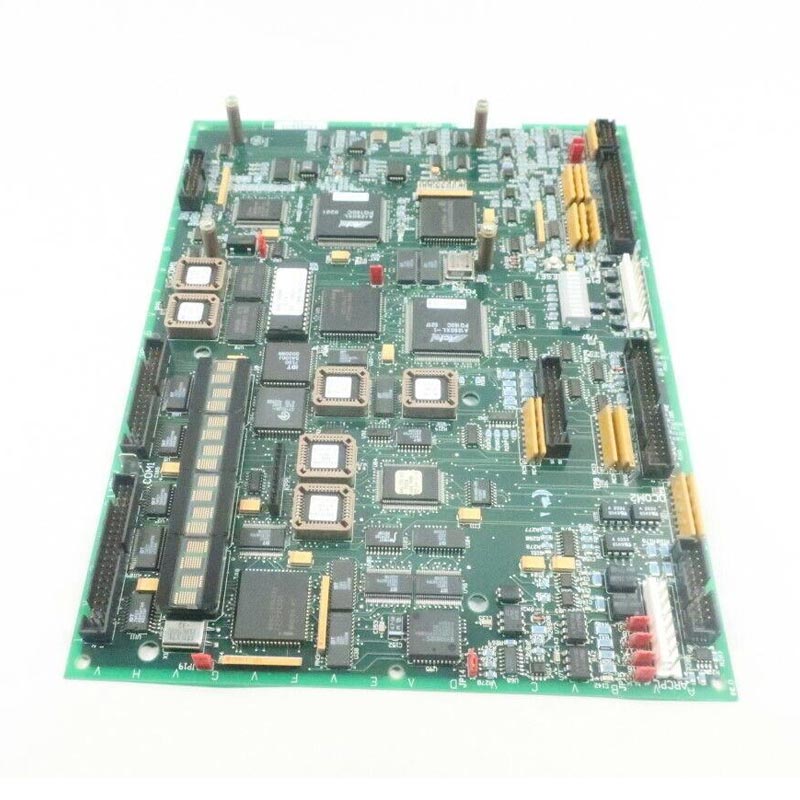
A GE FANUC PLC (Programmable Logic Controller) is an industrial digital computer designed for automation of electromechanical processes. It monitors inputs, processes logic instructions, and controls outputs in real-time.
Originally developed as a joint venture between General Electric and FANUC Ltd., GE FANUC PLC systems were engineered for high reliability, modularity, and industrial-grade durability.
GE FANUC Automation was formed in 1986 as a joint venture. Over time, the structure evolved:
Today, many legacy systems still operate under the GE FANUC name, while newer versions may carry Emerson branding. However, the hardware architecture remains highly compatible.
| Series | Application Level | Performance | Status |
|---|---|---|---|
| Series 90-30 | Small to Medium Systems | Reliable, Modular | Legacy but widely used |
| Series 90-70 | Large Systems | High Performance | Legacy |
| RX3i | Advanced Automation | High-Speed Processing | Modern Platform |
| VersaMax | Compact Applications | Flexible & Cost-effective | Active/Supported |
GE FANUC PLC systems allow flexible expansion by adding modules according to system requirements.
Designed for harsh industrial environments including temperature extremes and electrical noise.
Particularly in RX3i series, high-speed CPUs support complex automation tasks.
Due to its durability and long lifecycle, GE FANUC PLC remains a preferred choice for mission-critical operations.
Compared to some newer PLC brands, GE FANUC PLC offers exceptional stability in legacy systems.
Upgrading from Series 90-30 to RX3i can significantly improve processing speed while maintaining I/O structure compatibility.
| Problem | Possible Cause | Solution |
|---|---|---|
| CPU Fault LED On | Firmware Error | Reload Firmware |
| No Communication | IP Misconfiguration | Check Network Settings |
| I/O Failure | Module Damage | Replace Module |
When purchasing GE FANUC PLC modules, consider:
For reliable sourcing, visit GE FANUC PLC product page or consult trusted industrial automation suppliers like Yueyang Tongtu, which specializes in supplying tested and warranty-backed automation components.
No. While some series are legacy, many systems are still supported and widely used.
Yes. With Ethernet modules and protocol gateways, integration is possible.
Specialized suppliers like Yueyang Tongtu offer global shipping and warranty options.
GE FANUC PLC continues to prove its value in industrial automation due to its robust design, compatibility, and global adoption. Whether maintaining legacy systems or planning modernization, understanding its architecture and upgrade pathways ensures operational stability and cost efficiency.
If you are looking for reliable GE FANUC PLC modules, technical consultation, or global supply services, contact us today to get professional support from Yueyang Tongtu and ensure your automation systems run smoothly and efficiently.