In today’s rapidly evolving industrial landscape, automation is no longer optional—it is essential. Among the leading automation technologies, ABB PLC systems stand out for their reliability, scalability, and high-performance engineering. This comprehensive guide explores why ABB PLC controllers are trusted worldwide, how the ABB AC500 series supports diverse industries, what benefits they offer compared to competitors, and how businesses can maximize return on investment.
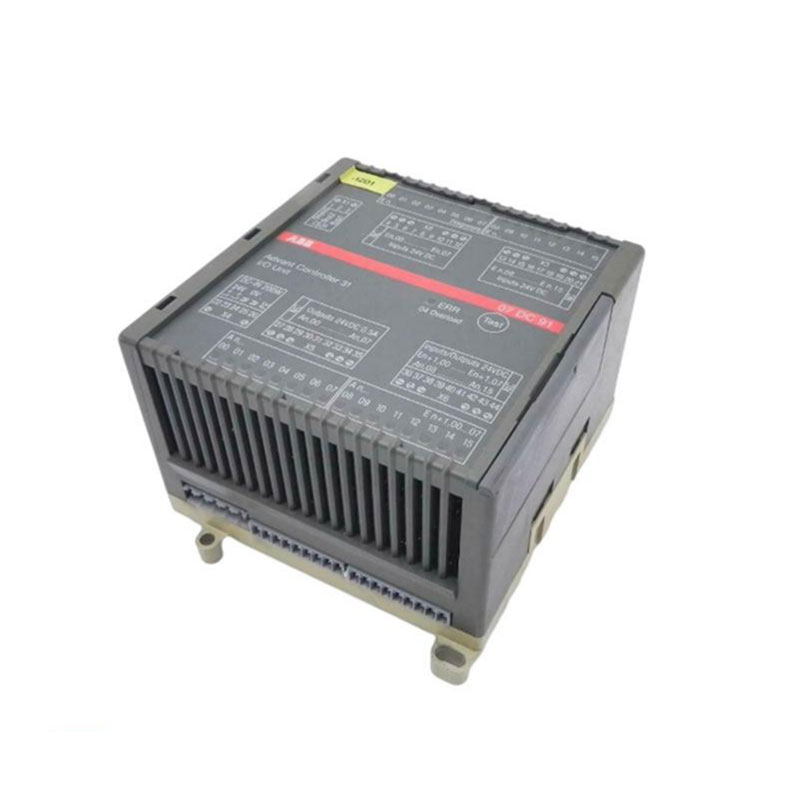
An ABB PLC (Programmable Logic Controller) is an advanced industrial digital computer designed to automate manufacturing processes, machinery control, and infrastructure systems. Developed by ABB, a global leader in electrification and automation, these controllers are engineered to operate reliably in harsh industrial environments.
Unlike traditional relay-based systems, ABB PLC controllers provide:
From water treatment plants to automotive assembly lines, ABB PLC systems form the backbone of modern industrial automation.
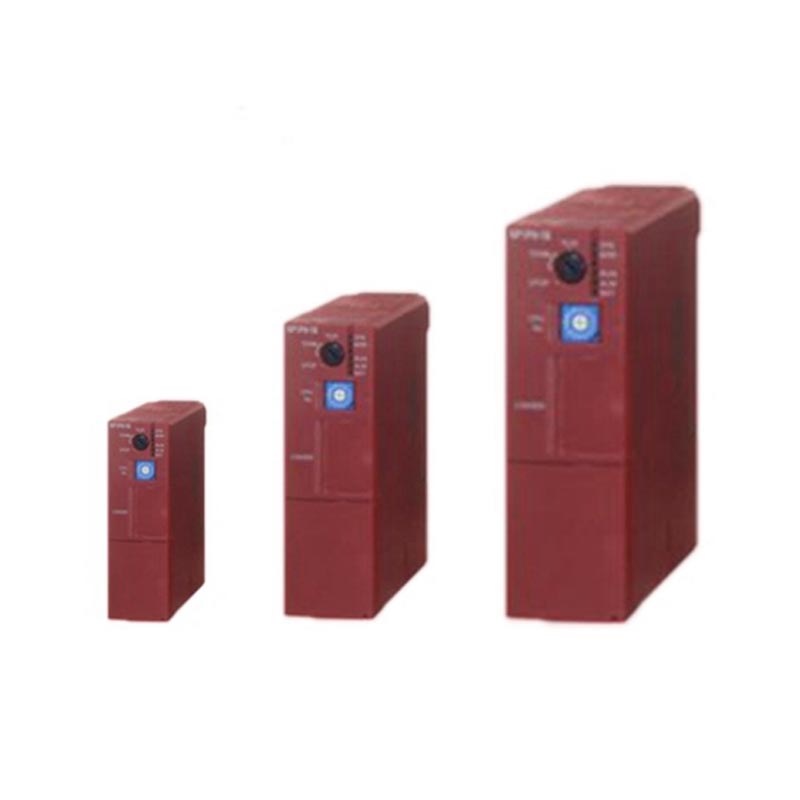
The ABB AC500 PLC series is one of the most widely adopted modular automation platforms in industrial control. It is designed to deliver scalability, performance, and flexibility for a wide range of automation requirements.
| Model | Application Scale | Key Advantage |
|---|---|---|
| AC500-eCo | Small systems | Cost-effective compact solution |
| AC500 | Medium automation systems | High flexibility & modularity |
| AC500-XC | Extreme environments | Extended temperature resistance |
| AC500-S | Safety applications | Integrated functional safety |
This versatility makes ABB PLC systems adaptable across industries such as manufacturing, energy, building automation, and infrastructure.
These features contribute to improved productivity, reduced downtime, and enhanced operational safety.
The architecture of ABB PLC systems includes:
The modular design allows users to tailor the system precisely to application requirements, minimizing unnecessary investment while ensuring scalability.
ABB PLC programming is performed using Automation Builder software, supporting IEC 61131-3 languages:
Automation Builder integrates configuration, programming, debugging, and diagnostics into a single environment, reducing engineering time and improving system transparency.
ABB PLC systems support multiple industrial communication protocols:
This multi-protocol support ensures seamless integration with SCADA systems, HMIs, drives, and third-party devices.
Robotic assembly lines and packaging systems benefit from precise motion control and synchronization.
Power distribution systems require reliable PLC control for grid stability.
ABB PLC systems regulate pumps, valves, and chemical dosing processes.
HVAC, lighting, and security systems operate efficiently under centralized PLC control.
| Feature | ABB PLC | Generic PLC |
|---|---|---|
| Scalability | High Modular Flexibility | Limited |
| Extreme Environment Support | Yes (AC500-XC) | Rare |
| Integrated Safety | Available (AC500-S) | Optional |
| Global Technical Support | Worldwide Network | Regional Only |
Consider the following factors:
Selecting the correct configuration ensures optimal performance and cost efficiency.
Preventive maintenance significantly extends system lifespan and reduces downtime.
When purchasing ABB PLC modules, working with a reliable supplier is critical. Yueyang Tongtu provides:
Partnering with an experienced distributor ensures product authenticity and long-term operational reliability.
Manufacturing, energy, water treatment, transportation, and building automation are key sectors.
Yes, the AC500-XC variant is specifically designed for harsh environmental conditions.
ABB PLC supports IEC 61131-3 standard languages including Ladder and Structured Text.
Yes, through protocols like Modbus TCP/IP and PROFINET.
Work with trusted suppliers like Yueyang Tongtu to guarantee authenticity.
ABB PLC systems represent a benchmark in industrial automation, delivering flexibility, reliability, and future-ready scalability. Whether upgrading legacy systems or building smart factories from scratch, ABB PLC controllers provide the performance required in modern Industry 4.0 environments.
If you are searching for high-quality ABB PLC modules, competitive pricing, and professional technical guidance, Yueyang Tongtu is your trusted partner. Contact us today to discuss your automation needs and discover how ABB PLC solutions can transform your operations.