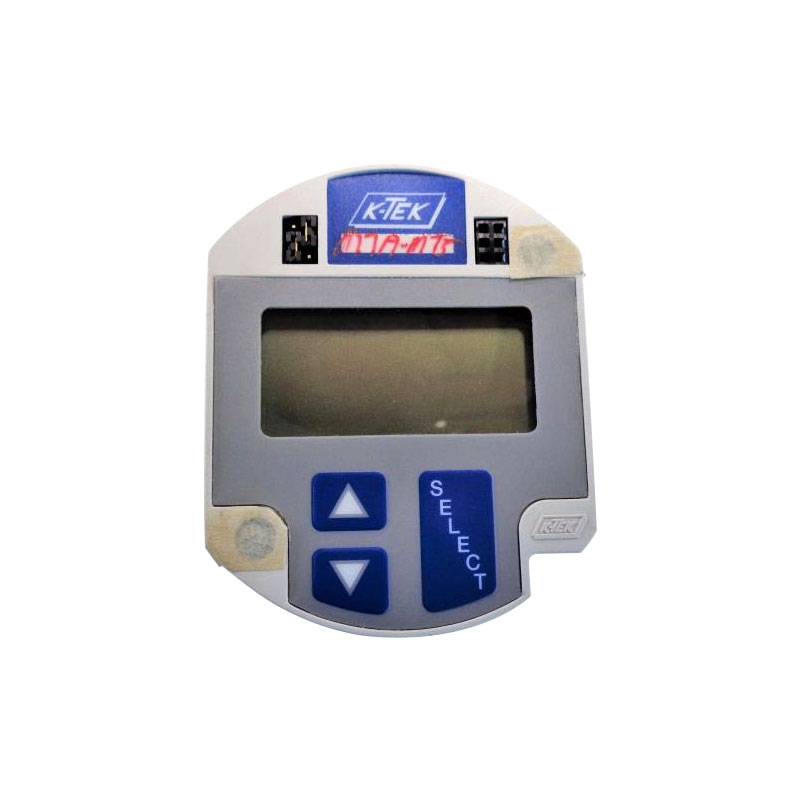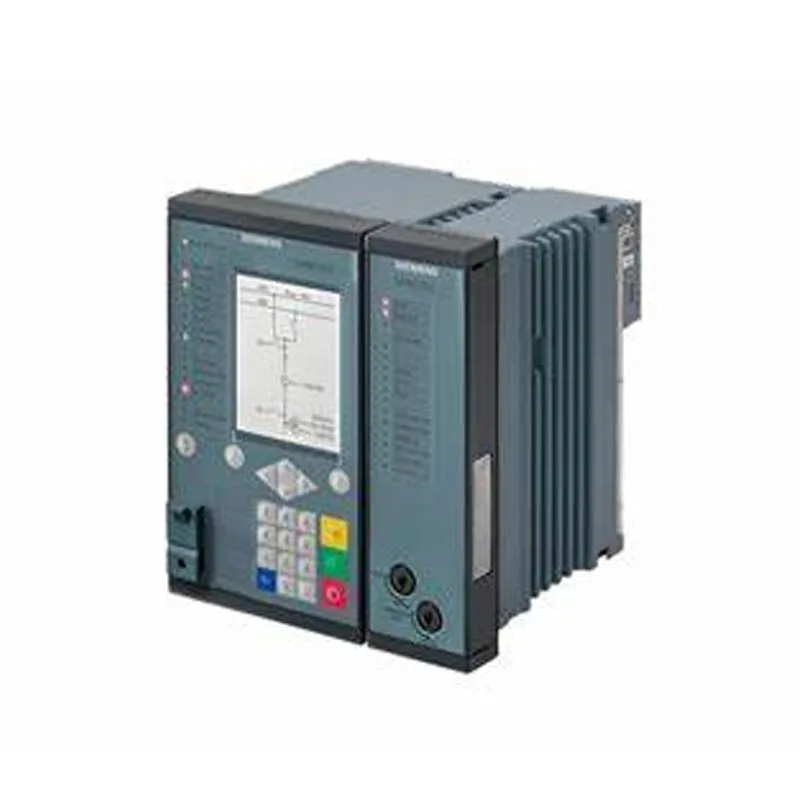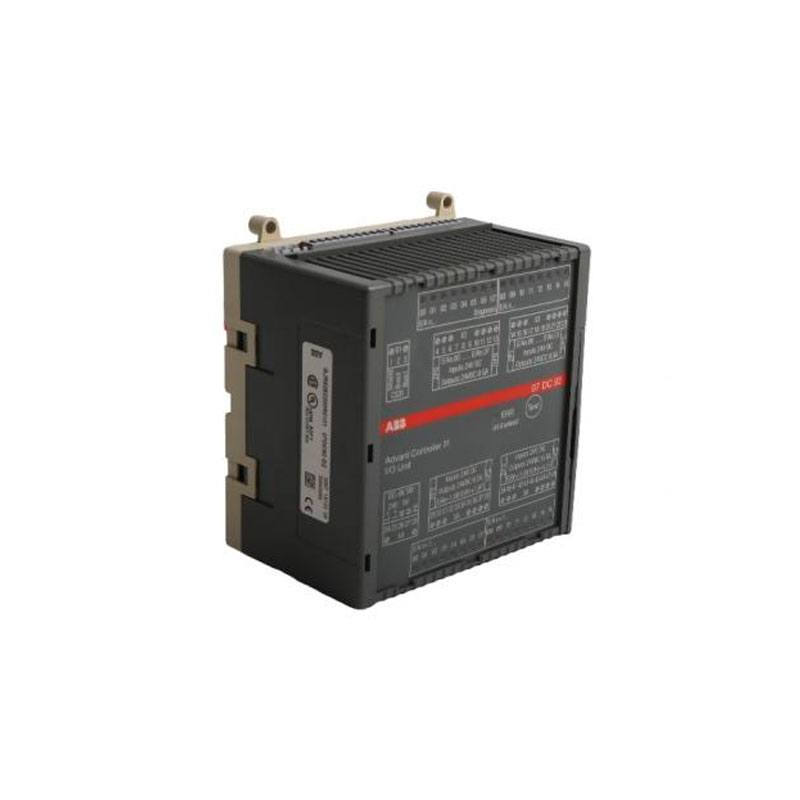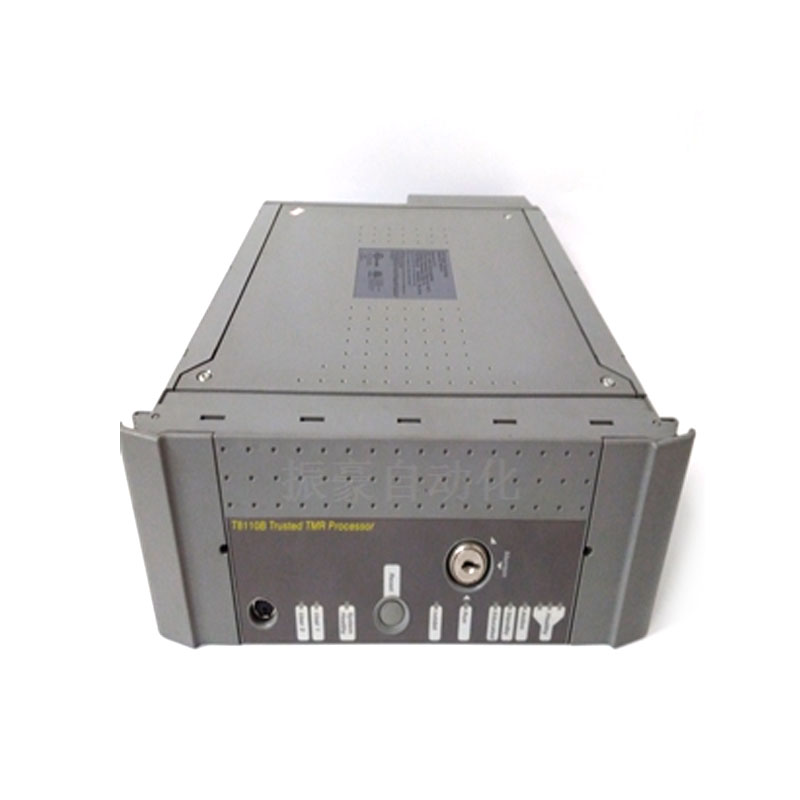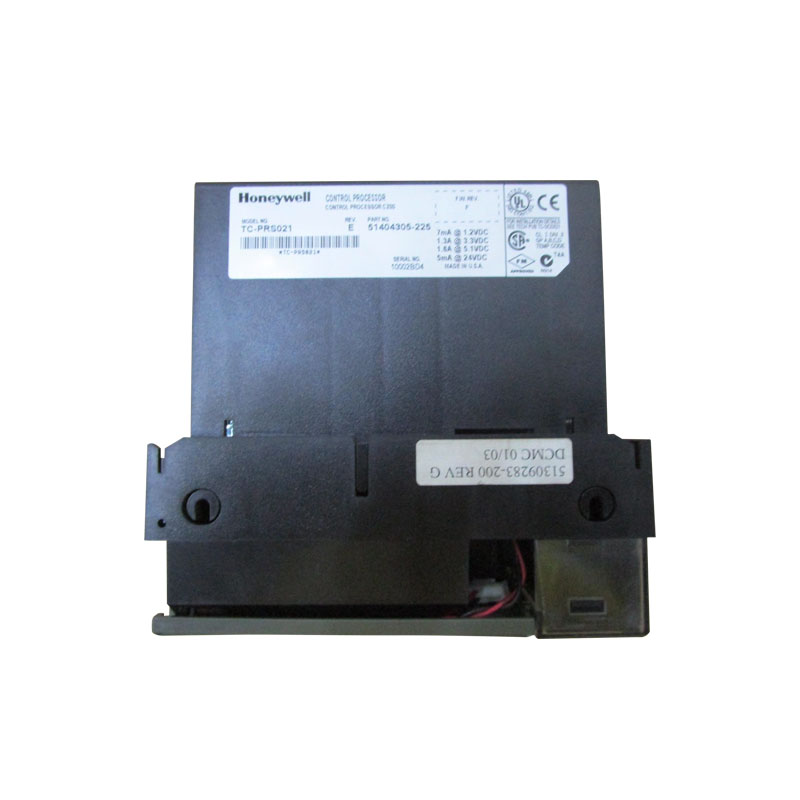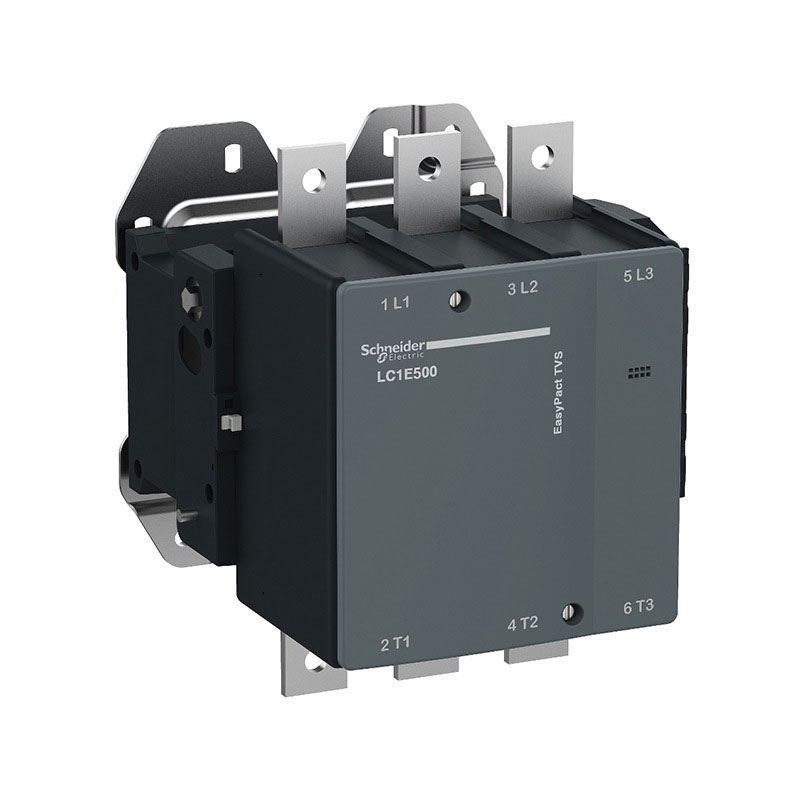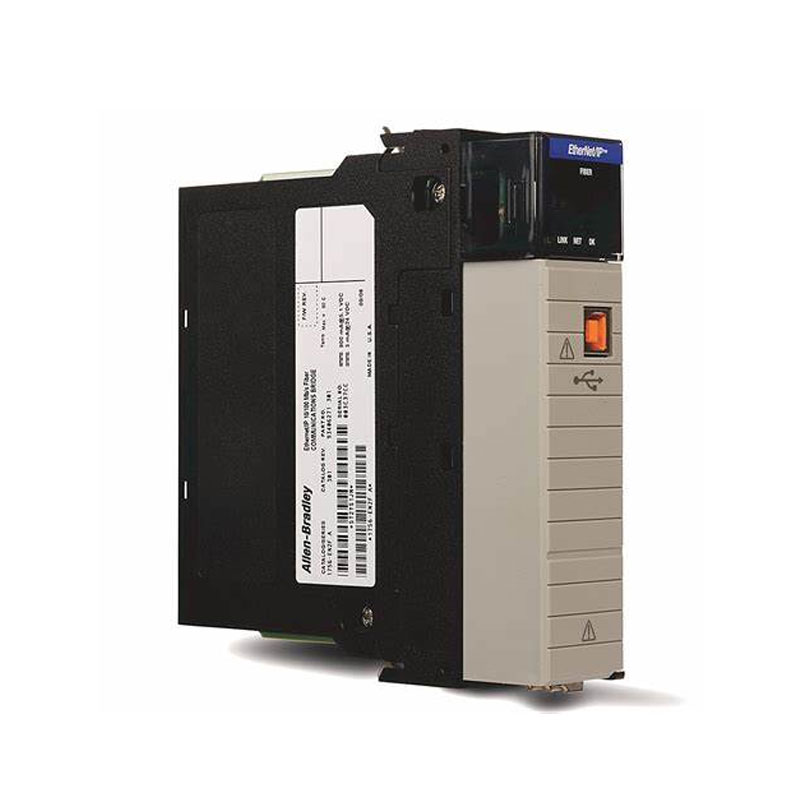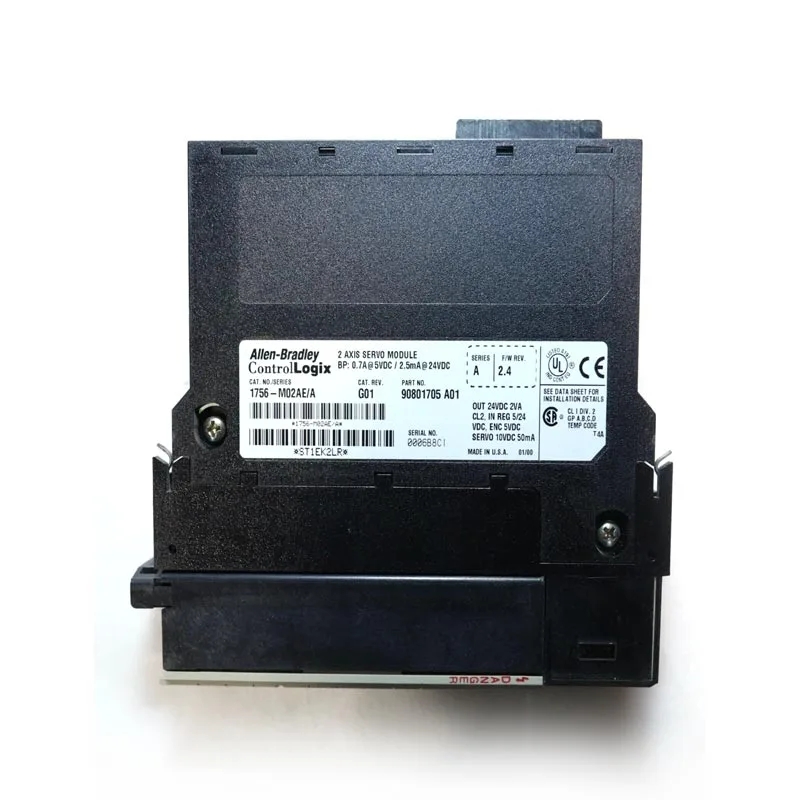
Industrial automation systems rely on highly reliable and intelligent control components to ensure stable operations. One of the most widely recognized components in distributed control systems is the Foxboro Module. Designed for high-performance process control, Foxboro modules are used in industries such as oil & gas, power generation, chemical processing, and manufacturing automation.
In this comprehensive guide, we explore what Foxboro modules are, how they work, their types, benefits, selection tips, and why companies like Yueyang Tongtu provide reliable solutions for industrial control system components.
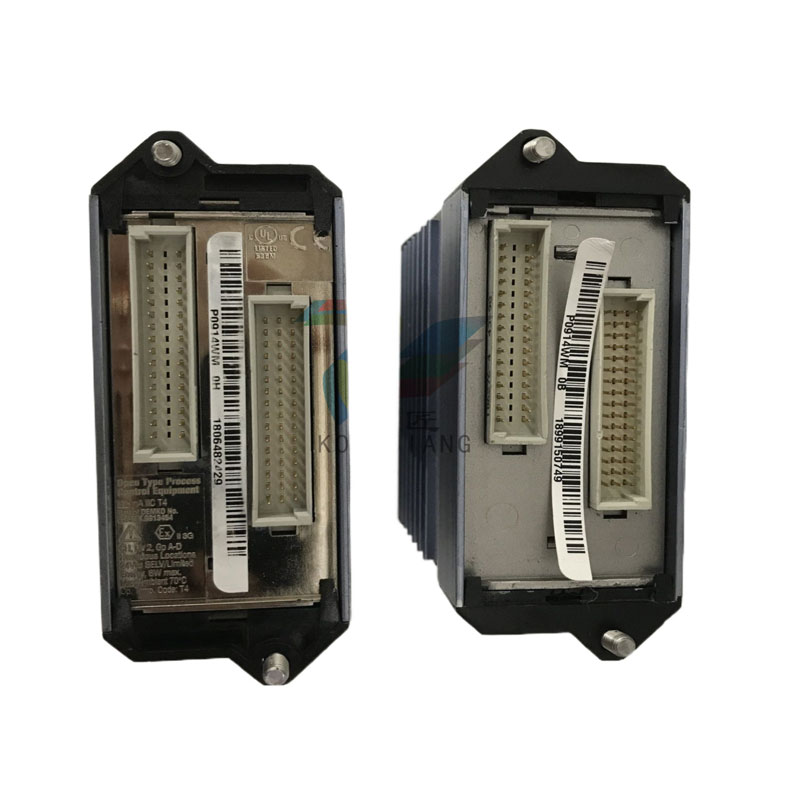
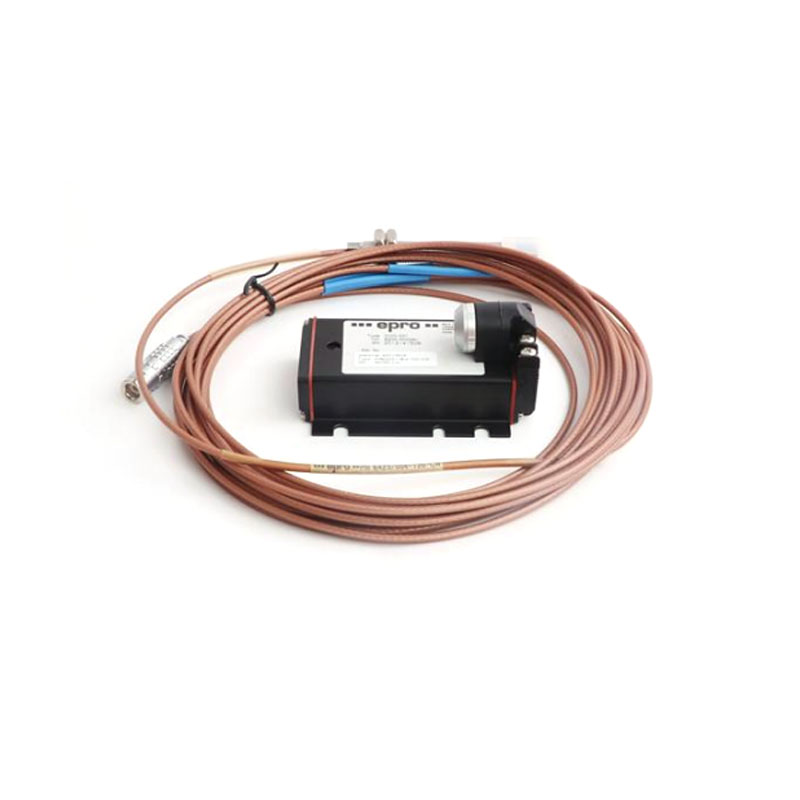
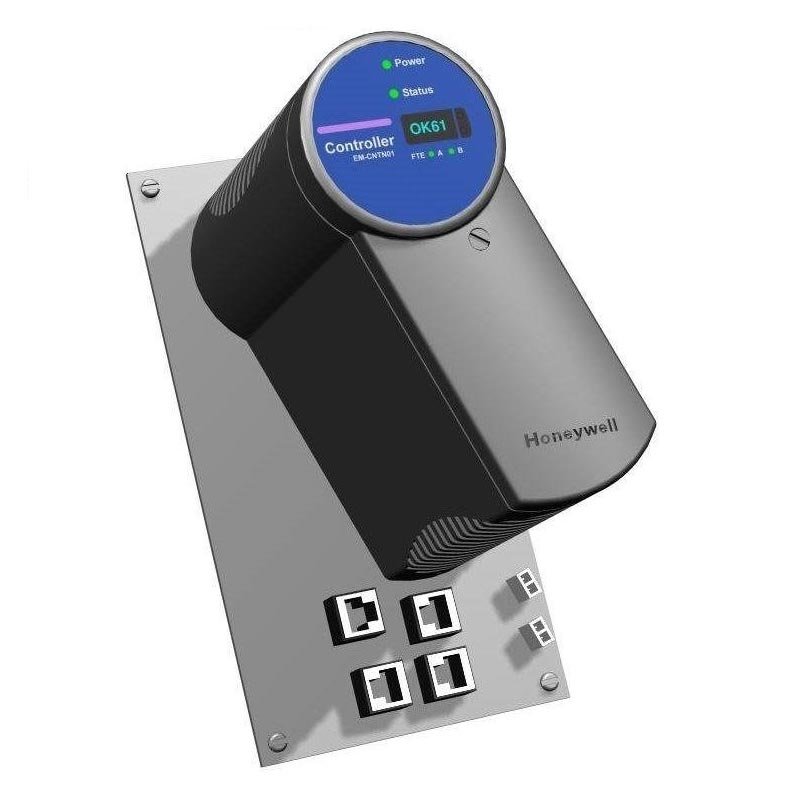
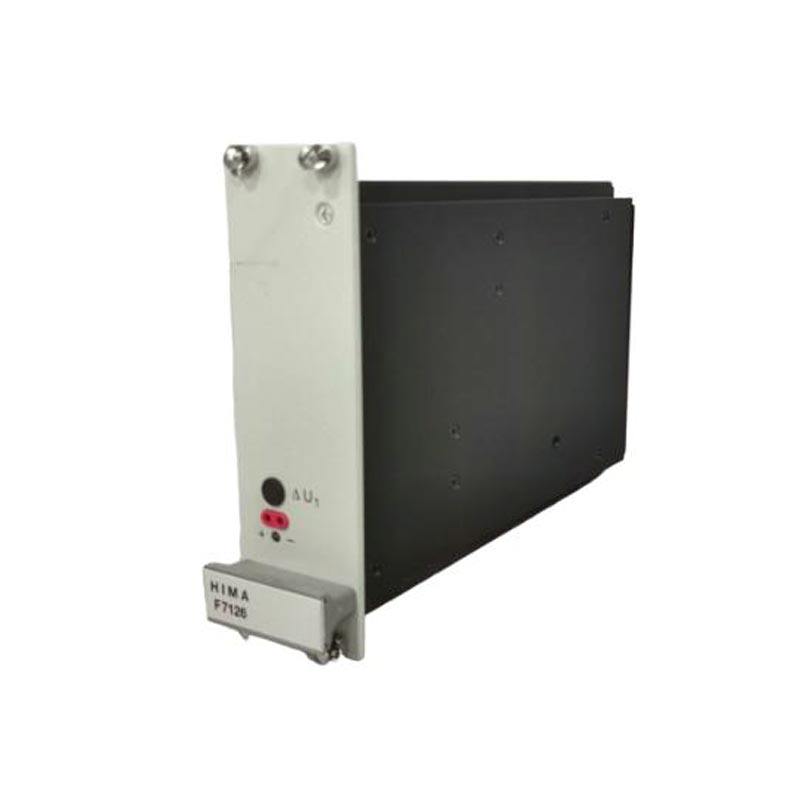
A Foxboro Module is a hardware component used in distributed control systems (DCS) to process input signals, control industrial equipment, and communicate with other automation devices. These modules are designed for reliability, high processing speed, and seamless integration within industrial automation networks.
Foxboro modules typically perform tasks such as:
They are widely used in modern industrial plants where continuous monitoring and precise control are essential.
For more technical specifications and product examples, you can explore the detailed Foxboro module information at Foxboro Module technical overview.
Industrial automation requires systems capable of operating 24/7 with minimal downtime. Foxboro modules play a crucial role in ensuring these systems operate efficiently and safely.
Their importance can be summarized in several key points:
Because of these capabilities, Foxboro modules have become a standard component in many industrial automation infrastructures.
Foxboro automation systems include various module types designed for specific control tasks.
| Module Type | Main Function | Typical Application |
|---|---|---|
| Input Module | Receives signals from sensors and field instruments | Temperature, pressure, and flow monitoring |
| Output Module | Controls actuators and industrial equipment | Motor control, valve actuation |
| Communication Module | Handles network communication between devices | Data transmission in DCS systems |
| Processor Module | Executes automation logic and system control | Process automation and system management |
| Power Module | Supplies power to system components | Ensures stable module operation |
Each type of module works together to form a fully integrated automation control system.
Foxboro modules are designed with advanced engineering to meet demanding industrial environments.
Industrial environments require equipment that can withstand harsh conditions such as high temperatures, vibrations, and electrical noise.
The modular design allows engineers to easily expand or upgrade systems without replacing the entire control infrastructure.
Foxboro modules process data in real time, allowing immediate response to changing process conditions.
Built-in diagnostic functions help detect issues early, reducing system downtime and maintenance costs.
A distributed control system divides control functions across multiple modules rather than relying on a single central controller.
Foxboro modules typically operate through the following workflow:
This architecture provides redundancy, scalability, and improved reliability for complex industrial processes.
Foxboro modules are widely used across multiple industrial sectors.
These industries rely on Foxboro modules for consistent and precise automation performance.
Foxboro modules offer several advantages compared with conventional control components.
These benefits make Foxboro modules a preferred solution for industrial automation professionals.
Selecting the correct Foxboro module requires careful evaluation of system requirements.
Ensure the module is compatible with the existing DCS or PLC system architecture.
Different modules support different signal types such as analog input, digital input, or communication signals.
Industrial environments may require modules with specific temperature or vibration tolerance levels.
Choose modules that allow future system expansion and upgrades.
Proper maintenance ensures Foxboro modules operate efficiently for many years.
Dust and contaminants can affect module performance. Regular cleaning helps maintain optimal operation.
Updating system firmware improves security and functionality.
Keeping spare modules available reduces downtime during unexpected failures.
When sourcing industrial automation components, choosing a reliable supplier is critical. Yueyang Tongtu specializes in providing high-quality industrial automation modules and control system components.
Key advantages include:
With extensive experience in automation equipment supply, Yueyang Tongtu helps industries maintain stable and efficient production systems.
A Foxboro module processes industrial signals, controls field equipment, and communicates with distributed control systems to ensure stable automation operations.
They are commonly used in industries such as oil and gas, power plants, chemical manufacturing, and water treatment facilities.
Yes. Foxboro modules are designed to integrate with distributed control systems and other industrial automation architectures.
With proper maintenance and environmental protection, Foxboro modules can operate reliably for many years in industrial environments.
Working with trusted suppliers and experienced automation component distributors ensures product authenticity and quality assurance.
Foxboro modules play a critical role in modern industrial automation systems. Their reliable performance, modular architecture, and compatibility with distributed control systems make them essential components for industries requiring continuous and precise process control.
Whether you are upgrading an existing automation system or designing a new industrial control infrastructure, choosing the right Foxboro modules is key to ensuring long-term operational stability.
If you are looking for reliable industrial automation components and professional support, Yueyang Tongtu can provide high-quality Foxboro modules and related solutions. Contact us today to learn more about our products and services and to receive expert assistance for your automation projects.