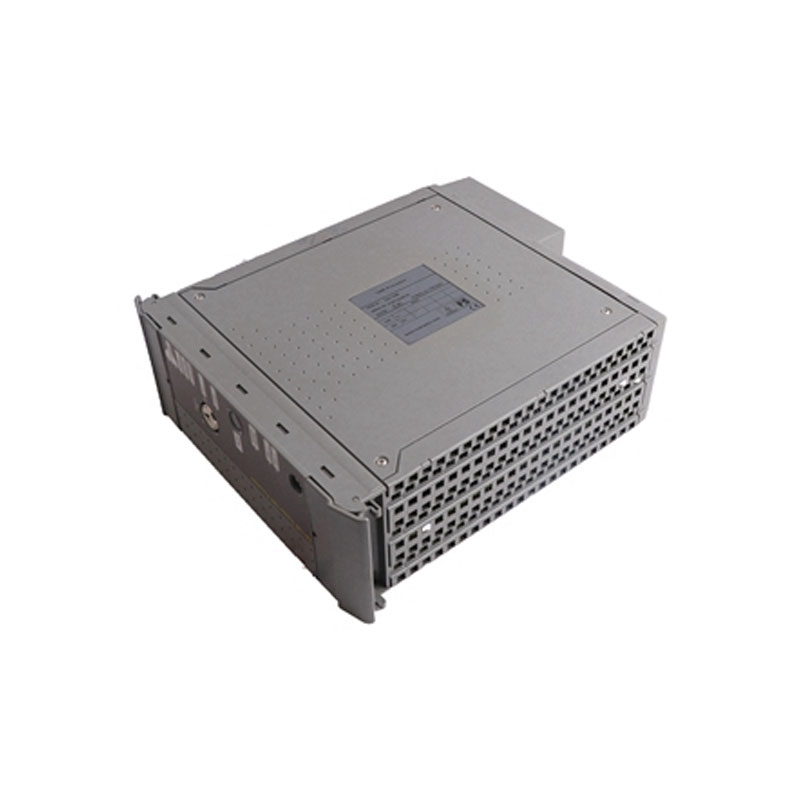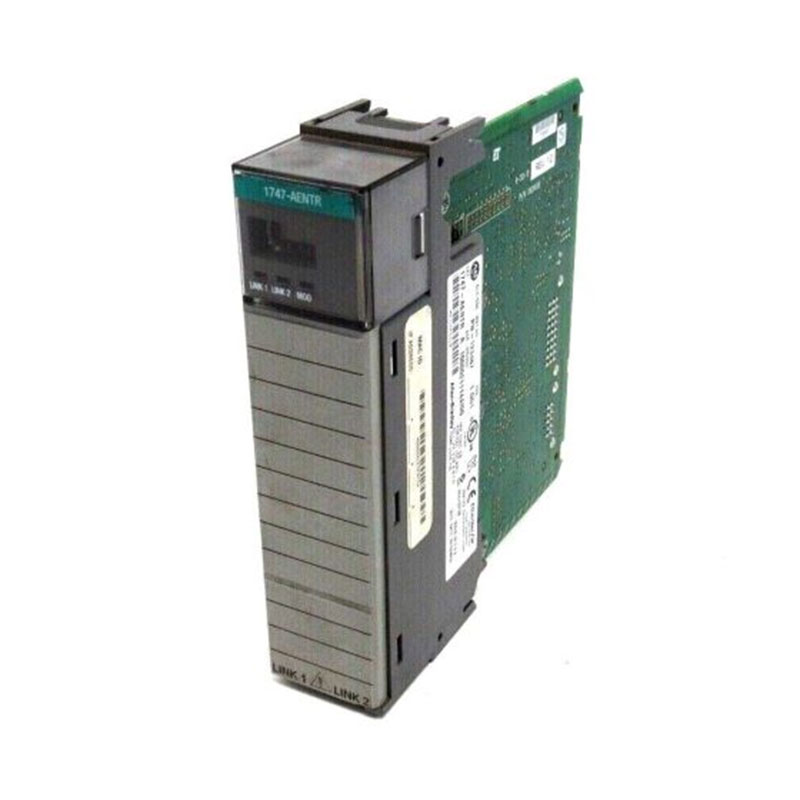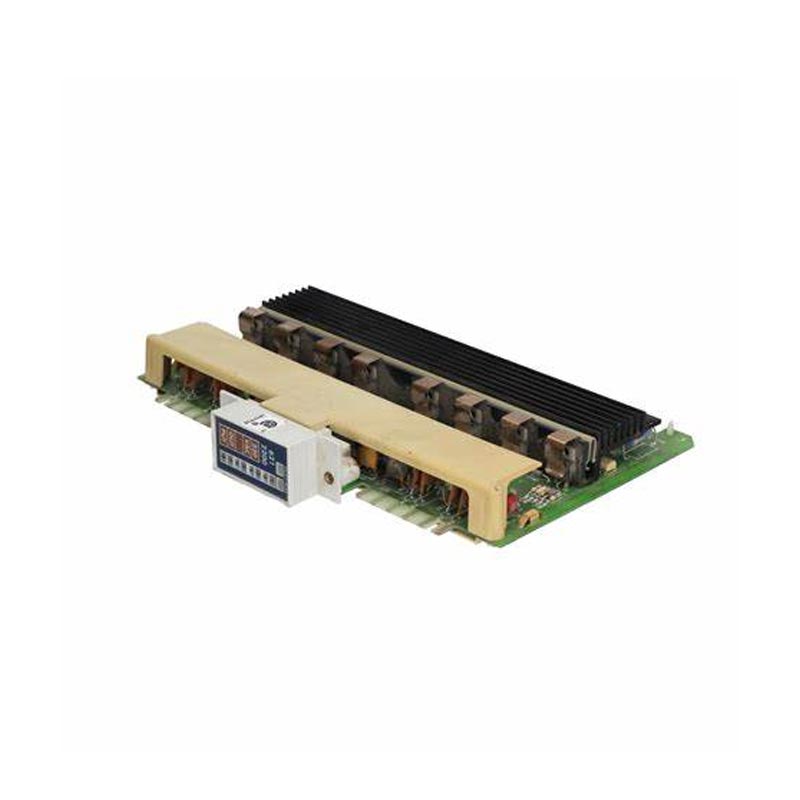
When industrial plants cannot afford unexpected shutdowns, the Siemens S7 400H remains a compelling solution for high-availability control systems. Tongtu supplies Siemens automation components for demanding industrial applications, helping customers source suitable S7-400H hardware for process control, DCS, SIS, power, petrochemical, and other mission-critical environments. The S7-400H is designed around redundant control architecture, making continuity and fault tolerance central to its value.
Siemens describes the S7-400 as a process controller designed for data-intensive applications, while the S7-400H family is specifically positioned for high-availability applications. The H system uses redundant components so that a failure in one system can be handled by the standby system, reducing the risk of process interruption.
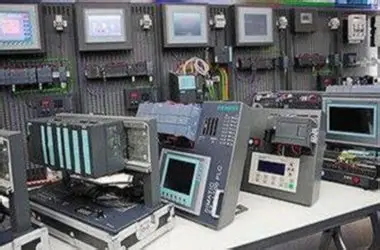
Siemens S7 400H is a high-availability controller family within the SIMATIC S7-400 platform. The “H” represents a fault-tolerant or high-availability architecture in which important automation components are duplicated. Instead of relying on a single controller, the system uses redundant CPUs and associated synchronization hardware to maintain process operation when a defined component failure occurs.
This architecture makes S7-400H particularly relevant to industrial processes where stopping a production line can cause substantial economic losses, equipment damage, quality problems, or process safety concerns. Siemens technical documentation provides dedicated information covering H-system configuration, synchronization, memory structure, firmware, synchronization modules, and engineering procedures.
The fundamental advantage of Siemens S7 400H is redundancy. Two CPUs operate as a coordinated redundant pair, with synchronization links allowing the systems to maintain consistent operating states. If a fault affects the active side, the standby side can assume control according to the configured redundancy strategy.
A typical configuration can include duplicated power supplies, a pair of H-CPUs, synchronization modules, synchronization fiber-optic connections, and optional communication modules. This creates multiple layers of availability rather than depending on one individual component.
In practical terms, redundancy does not mean that every possible failure is automatically eliminated. Instead, the architecture is engineered to reduce the impact of supported component failures and maintain control availability.
Selecting an S7-400H is not simply a matter of purchasing one CPU. A complete redundant control station normally contains several coordinated hardware elements. The exact configuration depends on the application, I/O requirements, communication architecture, and existing PCS 7 or SIMATIC infrastructure.
| Component | Typical Role | Procurement Consideration |
|---|---|---|
| H-CPU Pair | Main redundant processing unit | Check CPU model, firmware and compatibility |
| Rack | Mechanical and electrical system integration | Verify rack type and installation requirements |
| Power Supply Modules | Provides controller power | Consider redundancy and voltage requirements |
| Synchronization Modules | Maintains communication between redundant CPUs | Confirm matching fiber and module configuration |
| Communication Modules | Connects PLC with industrial networks | Match existing PROFINET, PROFIBUS or Ethernet architecture |
The S7-400H combines industrial PLC processing with a redundant system architecture. Depending on the selected CPU and system configuration, the platform can support substantial memory, distributed I/O, industrial communications, and demanding process-control programs.
According to the Tongtu product information, available configurations include CPU 412H, 414H, 416H, 417H and CPU 410-5H options. The listed configurations can provide working memory ranging from 1 MB to 32 MB, with instruction execution performance depending on the CPU model. These figures should always be verified against the exact Siemens order number before procurement.
Another important consideration is engineering compatibility. Siemens maintains dedicated S7-400H documentation covering hardware configuration, network configuration, user programs, downloading, firmware, and H-system parameters. Buyers should therefore evaluate the controller together with the engineering environment already deployed at the plant rather than treating the CPU as an isolated product.
The S7-400H is most valuable where control-system availability is a major operational requirement. Siemens documentation and product information position the platform for demanding process and automation applications.
Process Industry
Continuous processes that require stable and uninterrupted control.
Power Generation
Control applications where unexpected downtime can affect plant availability.
Petrochemical
Complex process environments requiring high control-system availability.
Metallurgy
Large-scale industrial processes with demanding automation requirements.
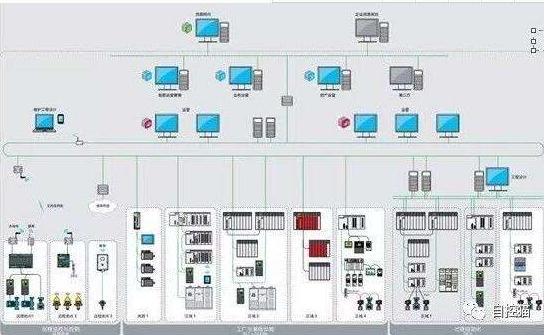
It can also be integrated into broader DCS and process automation architectures, particularly where redundant control is preferred over a conventional single-CPU PLC arrangement.
Industrial automation procurement requires more than comparing prices. The most important factor is compatibility with the existing control architecture. Before purchasing Siemens S7 400H equipment, buyers should evaluate:
For replacement projects, accurate part-number matching is particularly important because legacy automation systems may depend on specific firmware, communication modules, memory cards, or rack configurations.
A redundant PLC system can improve availability, but it still requires disciplined maintenance. Engineers should periodically check diagnostic information, power supply status, synchronization status, communication networks, backup batteries, memory components, and environmental conditions.
Firmware management is another important part of lifecycle planning. Siemens provides dedicated S7-400H firmware resources and instructions for updating CPU operating systems. Before any firmware operation, engineers should verify the exact CPU model, existing version, project compatibility, and approved maintenance procedure.
Its main advantage is high availability through redundant control architecture. A redundant pair of CPUs and supporting hardware can reduce the effect of certain component failures and help maintain process operation.
Tongtu lists CPU 412H, 414H, 416H, 417H and CPU 410-5H configurations. The appropriate model depends on processing requirements, memory, communication architecture and the existing automation project.
Yes. S7-400H is particularly associated with high-availability process control and can be used within demanding DCS and industrial automation architectures. Siemens provides dedicated technical resources for S7-400H systems.
Check the exact order number, CPU model, firmware, memory requirements, rack type, power supplies, synchronization modules, communication interfaces, condition and compatibility with the existing control system.
Yes. An experienced industrial automation supplier can compare the original part number, system configuration and application requirements to help identify suitable replacement modules. For legacy systems, providing the complete Siemens order number is strongly recommended.
Siemens S7 400H remains an important option for industrial facilities that prioritize control-system availability, redundancy and dependable process automation. Its dual-controller architecture, synchronization technology, flexible hardware configuration and suitability for demanding process applications make it valuable for industries where downtime carries significant consequences. For procurement teams, however, successful sourcing depends on matching the exact CPU, firmware, communication modules and redundancy hardware with the existing installation.
If you are looking for a reliable Siemens S7 400H supplier in China or need help checking S7-400H models, replacement modules and system configurations, Tongtu can support your sourcing requirements with product information and procurement assistance. Contact us today to discuss your required Siemens S7 400H model, quantity, configuration and delivery requirements.