In modern industrial automation, maintaining precise control, operational safety, and efficient production processes is essential. One of the most trusted solutions in this field is the Honeywell Distributed Control System (DCS). Designed for complex industrial environments, Honeywell DCS platforms provide centralized monitoring, distributed processing, advanced safety features, and seamless integration with modern industrial technologies.
This article explores how Honeywell DCS works, its key features, system architecture, advantages, industry applications, and how it compares with other automation technologies. It also highlights how companies such as Yueyang Tongtu help industries access reliable automation components and solutions to maintain and upgrade Honeywell systems.
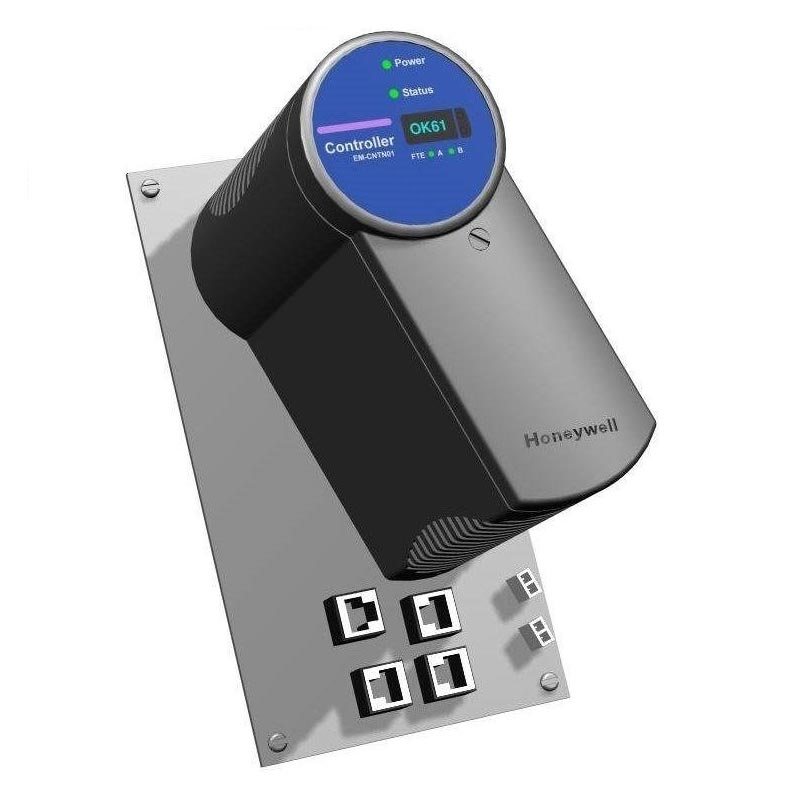
A Honeywell Distributed Control System (DCS) is an advanced industrial automation platform designed to monitor, control, and optimize complex industrial processes. Unlike traditional centralized control systems, a DCS distributes control functions across multiple controllers located throughout a plant, ensuring higher reliability and operational efficiency.
Honeywell has long been recognized as a leader in automation technology. Its DCS solutions are widely used in industries that require precise process control, including oil and gas, chemical manufacturing, power generation, pharmaceuticals, and water treatment facilities.
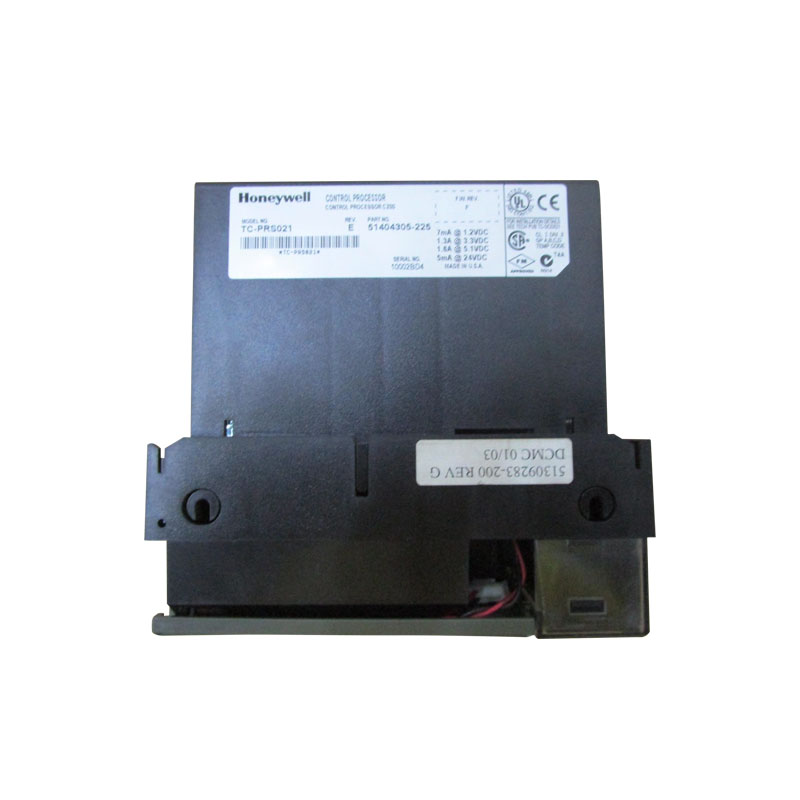
A Honeywell DCS typically includes the following components:
These components work together to provide operators with real-time insights into plant operations, enabling faster decision-making and improved productivity.
A distributed control system differs significantly from traditional centralized control systems. In a centralized system, all control logic is processed in a single location. If that central system fails, the entire plant can stop operating.
In contrast, a DCS distributes control functions across multiple controllers throughout the facility. Each controller manages a specific process area, reducing the risk of system-wide failure.
Key characteristics of distributed control systems include:
Honeywell DCS systems are designed to manage thousands of process signals simultaneously while maintaining stable and safe operations.
The architecture of a Honeywell distributed control system is carefully designed to provide reliability, scalability, and performance. The system typically consists of several key layers.
| Layer | Function | Key Components |
|---|---|---|
| Field Layer | Collects real-time data from sensors and devices | Sensors, transmitters, actuators |
| Control Layer | Processes control logic and automation functions | DCS controllers, I/O modules |
| Supervisory Layer | Provides monitoring and operator interaction | HMI stations, control consoles |
| Enterprise Layer | Manages data analytics and integration | Servers, databases, ERP integration |
This multi-layer structure allows operators to monitor and control processes with high accuracy while maintaining system stability even during hardware or network disruptions.
Honeywell DCS platforms offer numerous advanced features that make them highly effective for industrial process control.
Redundant controllers, networks, and servers ensure continuous operation even when hardware failures occur.
Honeywell DCS supports advanced control strategies such as predictive control, adaptive control, and multivariable optimization.
Safety is critical in industries such as oil and gas or chemical processing. Honeywell integrates safety instrumented systems to protect both equipment and personnel.
The system can be expanded easily as plants grow or production requirements change.
Operators receive real-time updates about process conditions, allowing them to respond quickly to abnormal situations.
Implementing a Honeywell DCS provides numerous operational and financial benefits for industrial facilities.
Many companies rely on reliable suppliers such as Yueyang Tongtu to obtain compatible automation modules and maintain their Honeywell DCS infrastructure.
Although DCS, PLC, and SCADA systems are all used in industrial automation, they serve different purposes.
| System Type | Main Application | Strength |
|---|---|---|
| DCS | Large continuous processes | Integrated control and monitoring |
| PLC | Discrete manufacturing | Fast control logic execution |
| SCADA | Remote monitoring | Wide geographic system control |
Honeywell DCS systems are particularly suitable for industries where process stability and real-time control are critical.
Honeywell distributed control systems are widely used across various industrial sectors.
These industries rely on advanced automation to maintain safety standards and ensure consistent production quality.
Modern Honeywell DCS platforms are designed to integrate seamlessly with emerging industrial technologies.
Examples include:
By integrating these technologies, Honeywell DCS systems help companies transform traditional factories into smart industrial facilities.
Successful implementation of a Honeywell DCS requires careful planning and technical expertise.
Best practices include:
Reliable automation partners such as Yueyang Tongtu can help industrial plants maintain system performance by providing compatible automation modules and technical support.
The future of distributed control systems is evolving rapidly with the development of digital transformation technologies.
Several emerging trends are shaping the next generation of Honeywell DCS platforms:
These innovations will allow industries to operate more efficiently while reducing environmental impact and operational risks.
Honeywell DCS stands for Honeywell Distributed Control System, an industrial automation system designed to control complex processes in manufacturing and energy industries.
Industries such as oil and gas, chemical processing, power generation, pharmaceuticals, and water treatment commonly use Honeywell DCS systems.
A DCS is designed for continuous process control across large industrial plants, while PLC systems are typically used for machine-level or discrete automation tasks.
Honeywell DCS systems feature redundant architecture, advanced diagnostics, and robust networking, ensuring stable operations in critical industrial environments.
Yes. Modern Honeywell DCS platforms support IIoT connectivity, advanced analytics, cloud integration, and cybersecurity technologies.
Honeywell DCS systems play a vital role in modern industrial automation. By combining distributed control architecture, advanced analytics, and integrated safety systems, these platforms help industries achieve higher productivity, improved safety, and reliable process management.
As automation technology continues to evolve, companies that adopt advanced solutions such as Honeywell DCS will gain a significant competitive advantage in efficiency and operational intelligence.
If your organization is looking for reliable automation modules, system components, or professional technical support related to Honeywell DCS systems, the experienced team at Yueyang Tongtu is ready to assist you. Our specialists can help you maintain, upgrade, and optimize your industrial automation infrastructure. Contact us today to learn how we can support your automation needs.