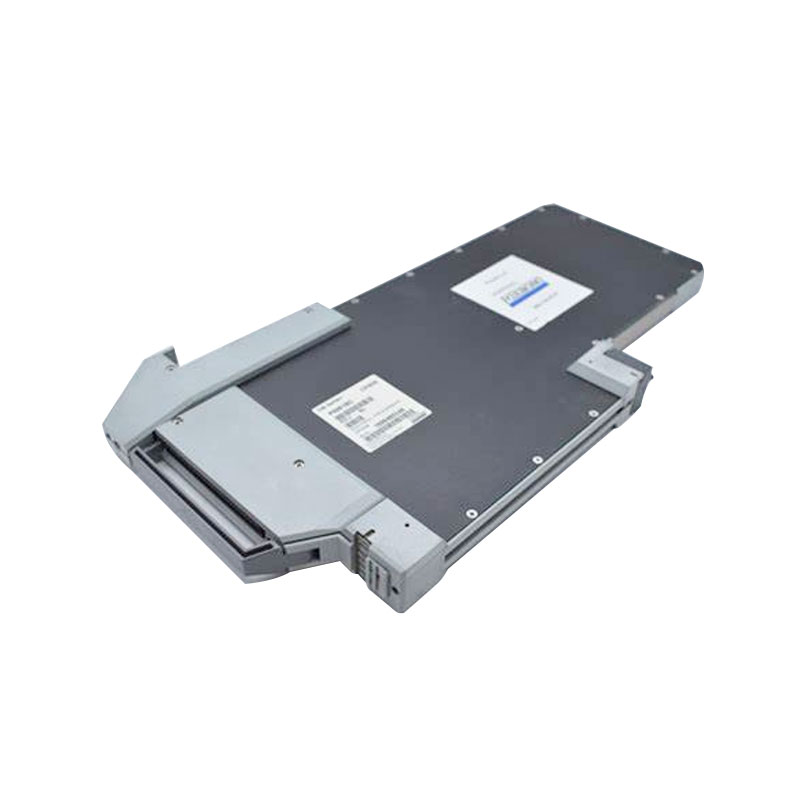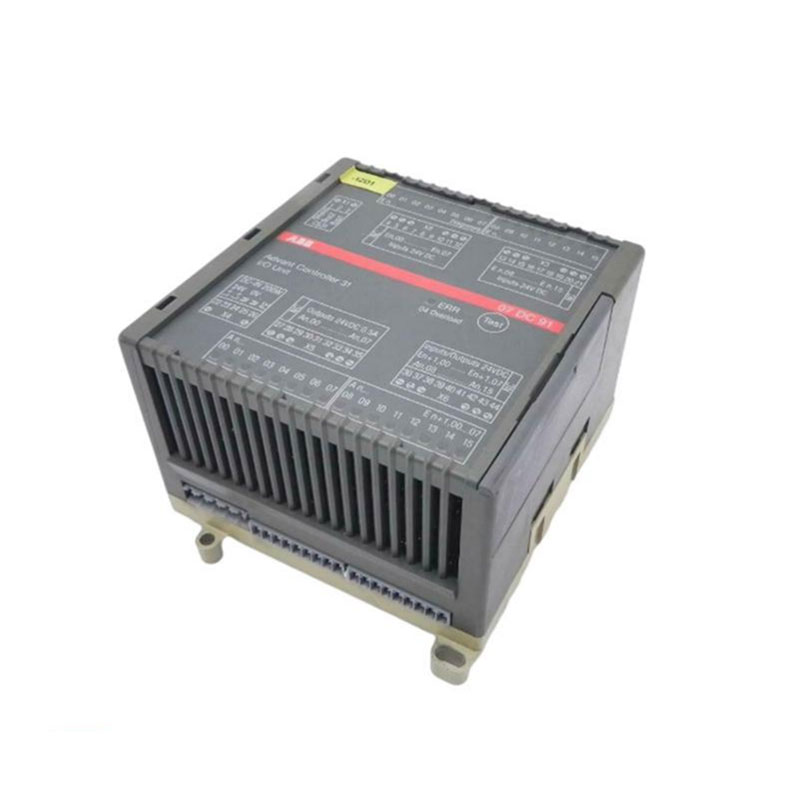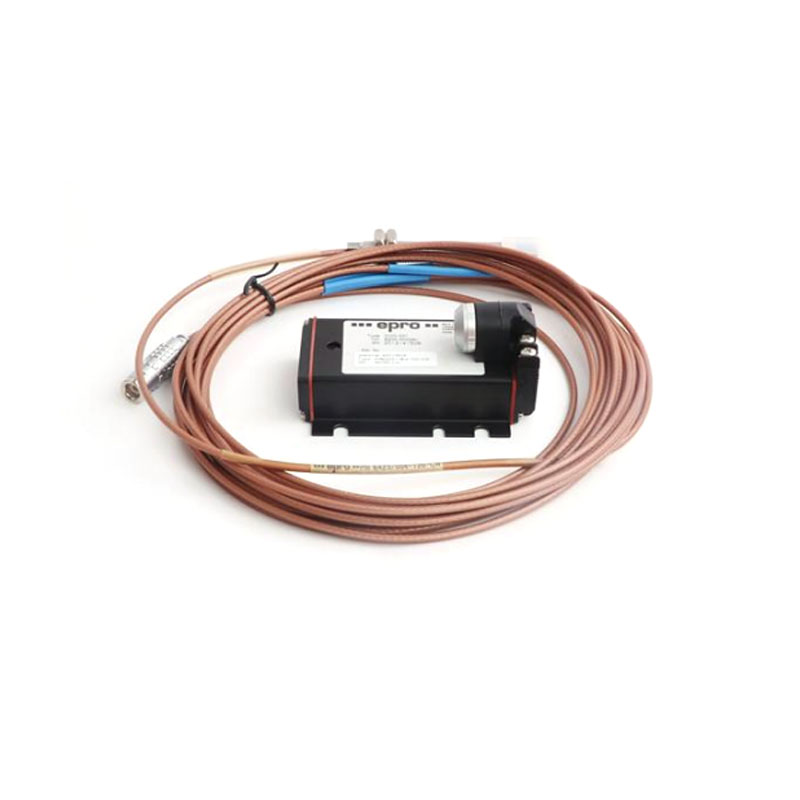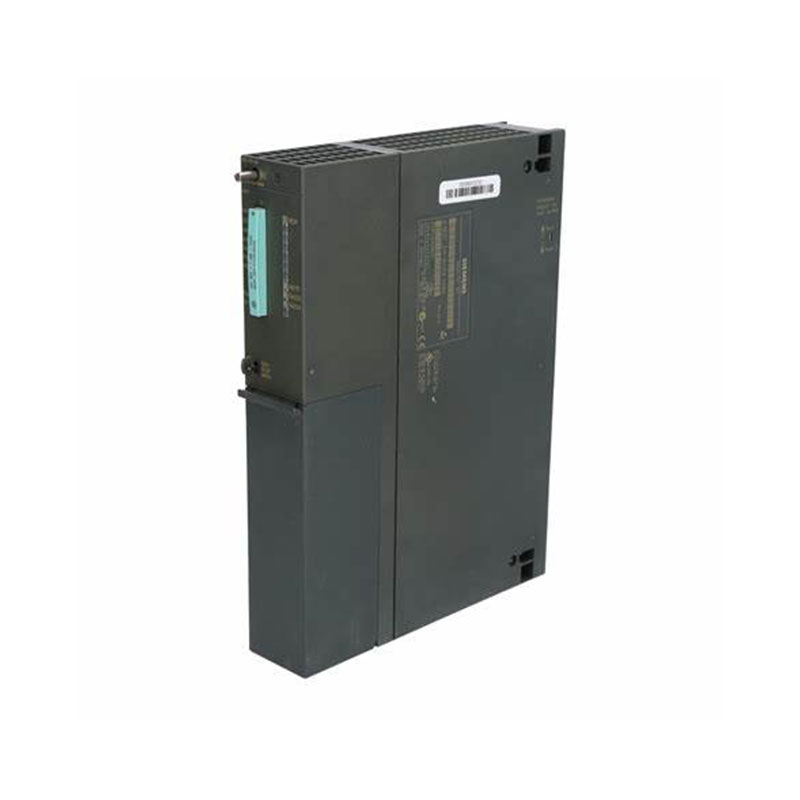
Industrial automation systems require dependable communication between controllers, operator interfaces, field devices, and enterprise-level systems. The Allen Bradley 1757-BEM plays a critical role in enabling efficient network communication within process automation environments. This article explores the architecture, functions, advantages, installation considerations, troubleshooting methods, maintenance practices, and real-world applications of the Allen Bradley 1757-BEM. Whether you are upgrading an existing plant or designing a new automation infrastructure, understanding this module can help improve reliability, reduce downtime, and enhance operational efficiency.
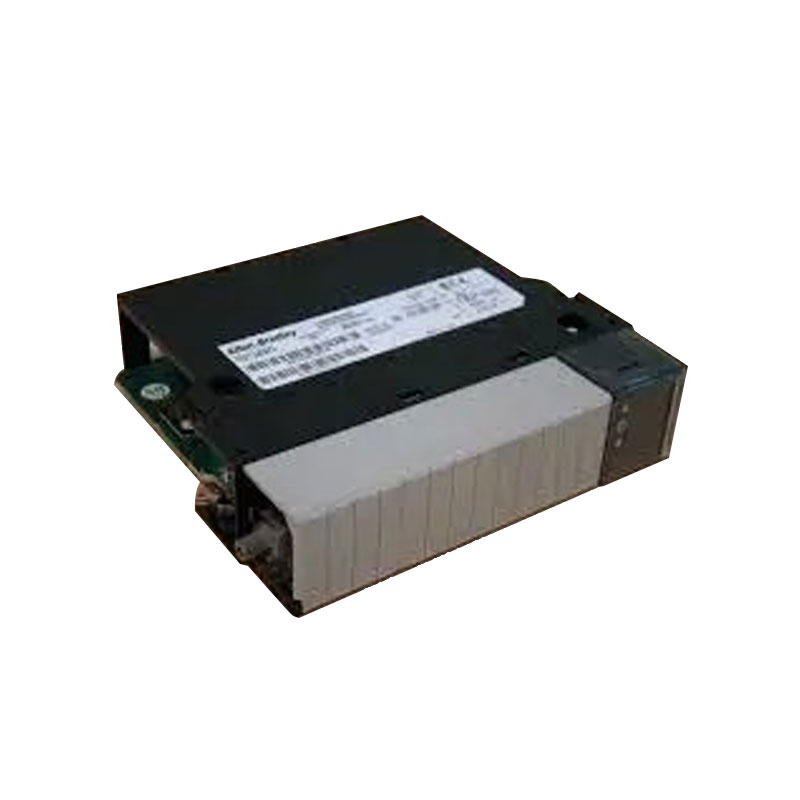
The Allen Bradley 1757-BEM is a communication-related module used within advanced industrial control systems. Designed for process automation applications, it helps facilitate data exchange between various components of a distributed control architecture.
In modern manufacturing environments, communication reliability is just as important as controller performance. Production facilities often operate continuously, making uninterrupted data flow essential for maintaining productivity and ensuring process stability.
The 1757-BEM serves as a bridge that enables coordinated operation among multiple automation devices while supporting scalable network architectures.
Industrial facilities increasingly rely on interconnected systems. Controllers, sensors, drives, HMIs, and enterprise software continuously exchange information. Any communication interruption can lead to production losses, equipment damage, or safety concerns.
The Allen Bradley 1757-BEM contributes to maintaining consistent communication pathways across automation networks. This allows operators to monitor production conditions in real time while enabling automatic responses to process changes.
Without a reliable communication infrastructure, even the most advanced controllers cannot perform efficiently.
| Automation Requirement | Role of 1757-BEM |
|---|---|
| Data Communication | Supports system-wide information exchange |
| Operational Visibility | Provides reliable communication channels |
| Process Control | Enables coordinated automation actions |
| System Expansion | Supports scalable network architecture |
The Allen Bradley 1757-BEM is designed to meet the demanding requirements of process industries. Its architecture focuses on reliability, stability, and long-term operation.
These features help reduce communication bottlenecks and improve overall plant performance.
The Allen Bradley 1757-BEM is commonly deployed in industries where process continuity is critical.
| Industry | Typical Application |
|---|---|
| Oil & Gas | Process monitoring and control |
| Chemical Processing | Distributed automation networks |
| Power Generation | Plant communication systems |
| Water Treatment | SCADA communication infrastructure |
| Manufacturing | Integrated production monitoring |
Its versatility makes it suitable for a wide range of process automation environments.
Many plant managers seek ways to improve productivity while reducing downtime. The 1757-BEM offers several advantages that directly address these objectives.
Proper installation is critical to maximizing performance and reliability.
Before installation, verify environmental conditions such as temperature, humidity, vibration levels, and electrical noise exposure.
Recommended practices include:
Careful installation reduces the likelihood of future communication failures.
Successful deployment extends beyond physical installation. Configuration must align with network architecture and operational requirements.
Engineers should evaluate:
A properly configured communication system delivers predictable and consistent performance throughout the facility.
Even reliable automation equipment may occasionally encounter communication challenges.
| Issue | Possible Cause | Recommended Action |
|---|---|---|
| Communication Loss | Cable or network issue | Inspect connections |
| Intermittent Data | Electrical interference | Improve shielding |
| Configuration Errors | Incorrect settings | Review configuration |
| Unexpected Downtime | Network overload | Optimize architecture |
Preventive maintenance helps extend equipment lifespan and maintain communication reliability.
Routine inspections can identify potential issues before they impact production.
| Evaluation Factor | Allen Bradley 1757-BEM | Generic Communication Module |
|---|---|---|
| Industrial Reliability | High | Varies |
| Integration Capability | Excellent | Moderate |
| Long-Term Stability | Strong | Depends on design |
| Scalability | High | Limited |
Before investing in an automation communication solution, organizations should evaluate several factors.
A comprehensive assessment ensures the selected solution aligns with operational objectives.
Industrial automation continues evolving toward greater connectivity and intelligence. Communication modules increasingly support:
Reliable communication infrastructure remains a fundamental requirement for these advancements.
Q1: What is the primary purpose of the Allen Bradley 1757-BEM?
Its primary purpose is to facilitate reliable communication within industrial process automation systems.
Q2: Which industries commonly use the 1757-BEM?
Oil and gas, chemical processing, power generation, water treatment, and manufacturing facilities commonly use it.
Q3: Can the module support system expansion?
Yes. It is designed to support scalable automation architectures.
Q4: How can communication issues be minimized?
Proper installation, correct configuration, quality cabling, and regular maintenance help minimize communication problems.
Q5: Why is communication reliability important in automation?
Reliable communication ensures continuous process control, accurate monitoring, and reduced downtime.
Q6: What should be checked during maintenance?
Inspect connectors, communication status, network diagnostics, environmental conditions, and cable integrity.
The Allen Bradley 1757-BEM remains an important component in modern process automation environments. By providing dependable communication capabilities, it supports operational continuity, enhances visibility, and enables efficient coordination across industrial systems.
Organizations seeking reliable automation infrastructure should carefully evaluate communication requirements, installation practices, maintenance strategies, and long-term scalability objectives. A well-designed communication architecture can significantly improve productivity and operational performance.
Yueyang Tongtu E-commerce Co., Ltd. is committed to helping global customers find high-quality industrial products, automation components, and technical solutions tailored to their project requirements.
Contact us today to discuss your automation needs, request product information, or obtain a customized quotation. Our team is ready to support your business with responsive service and dependable sourcing solutions.